
Last updated October 15, 2026
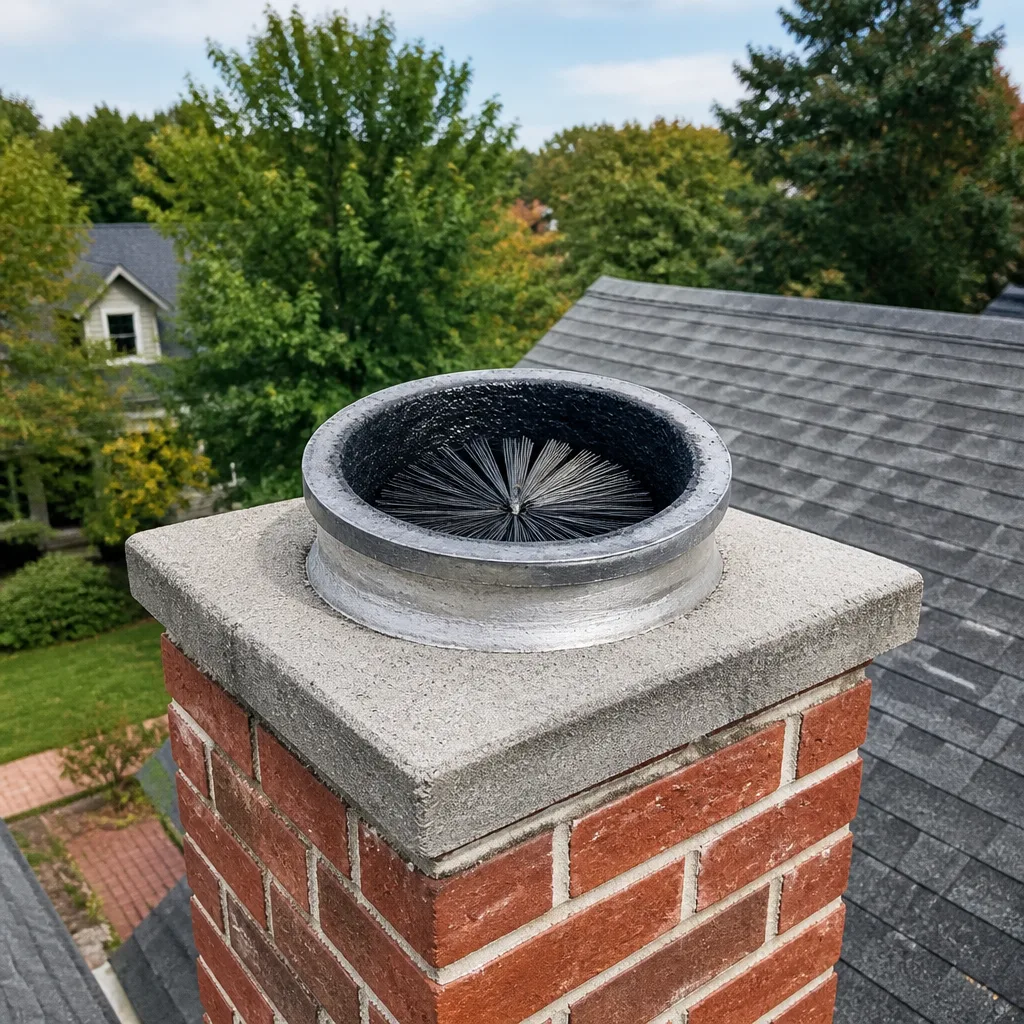 Sweep & inspection
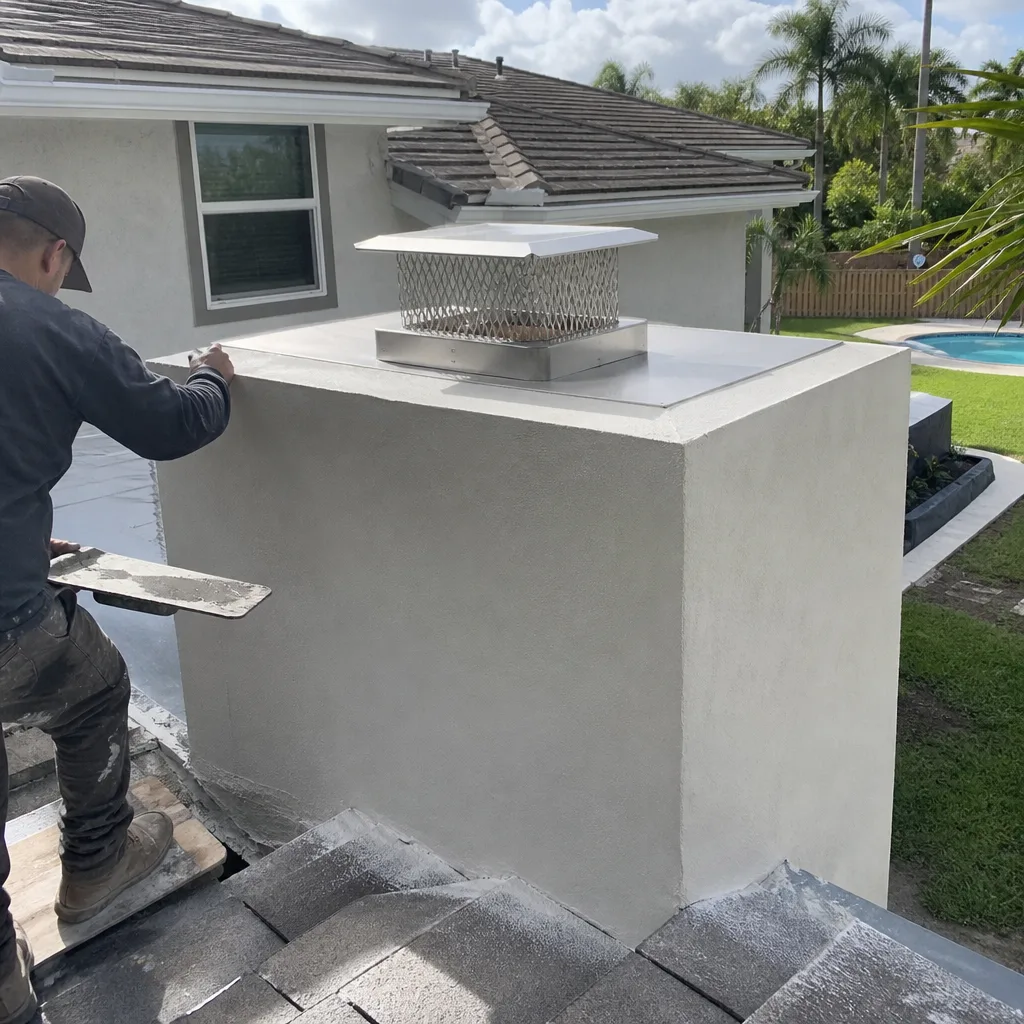
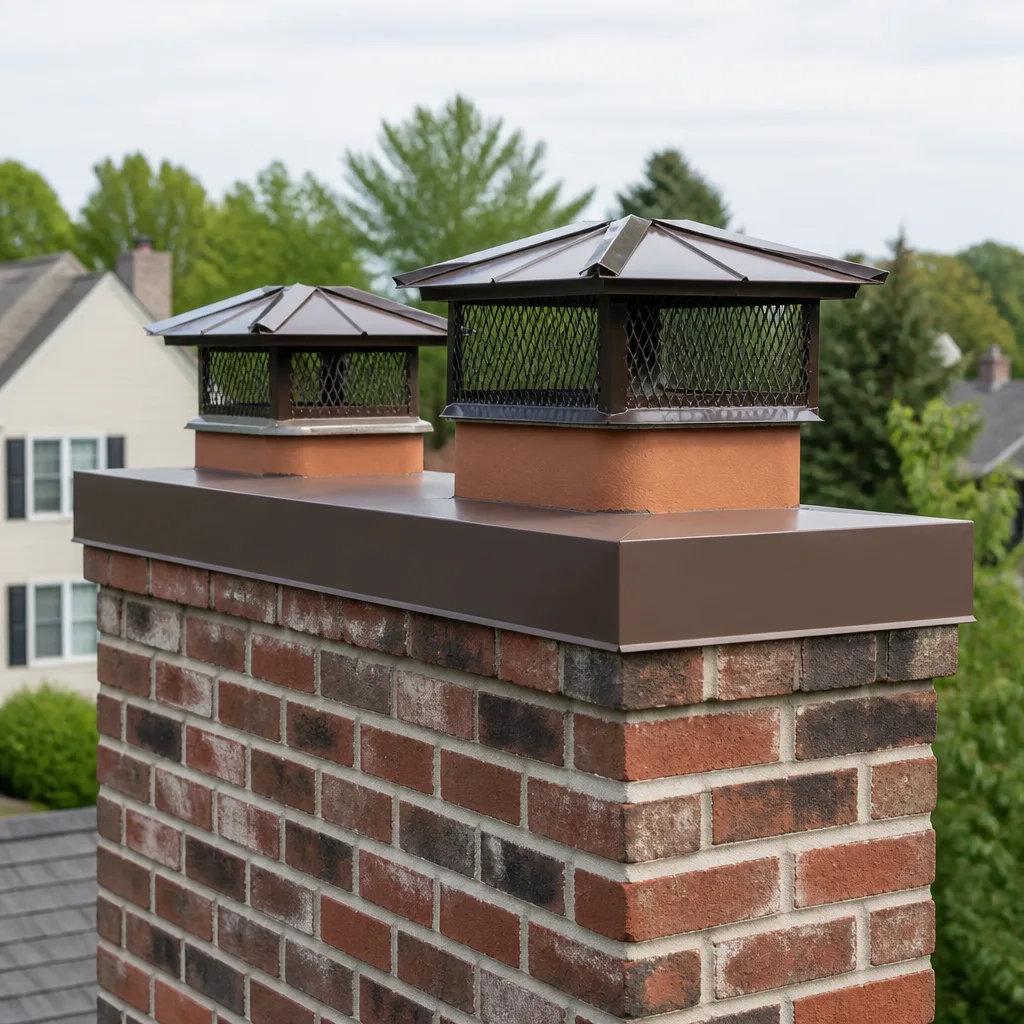 Caps & crowns
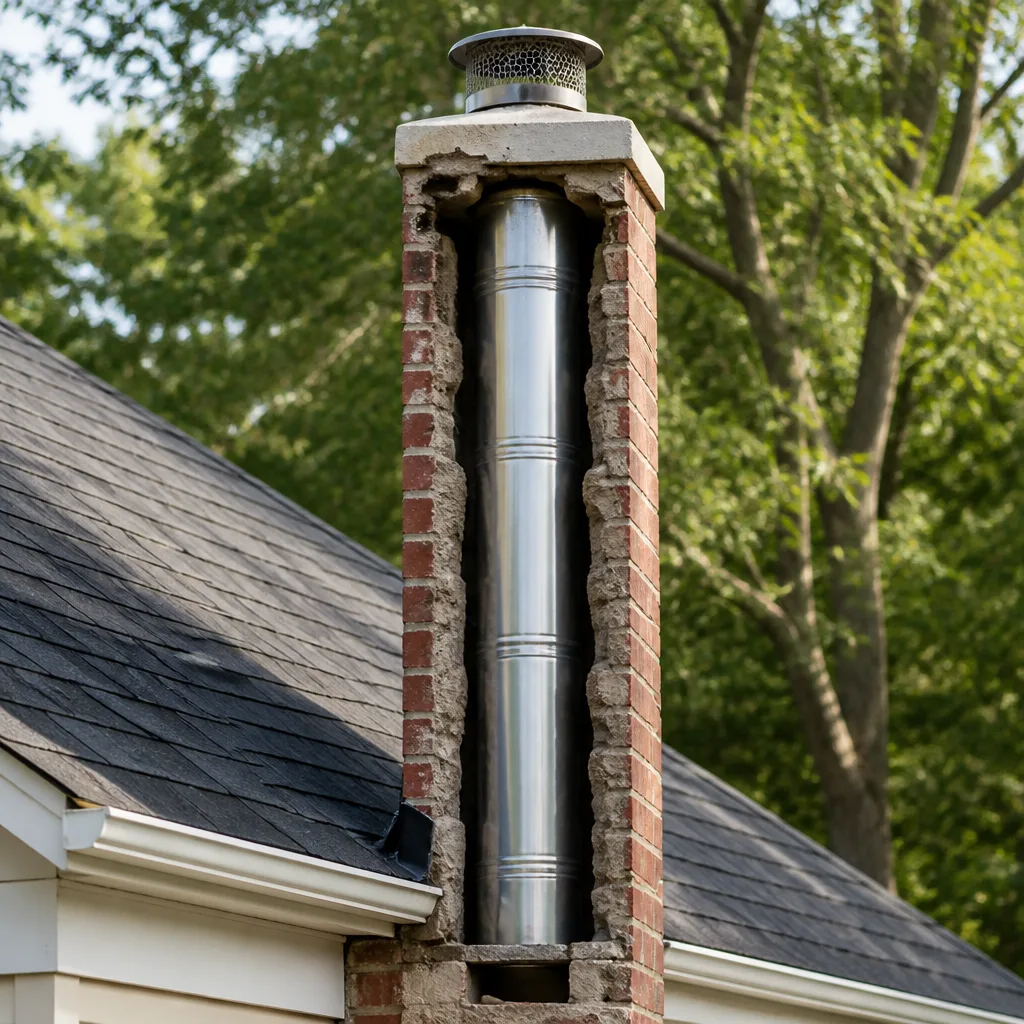 Flue relining
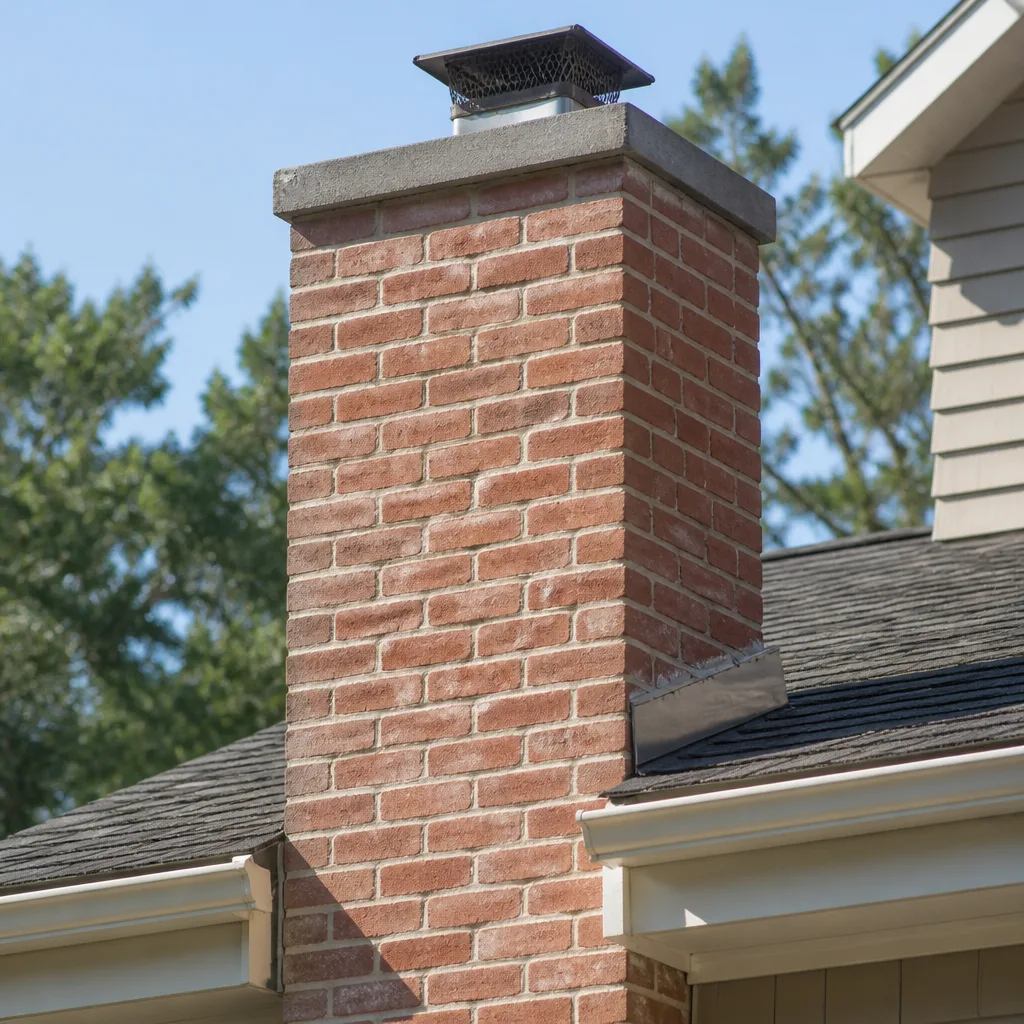 Masonry repair
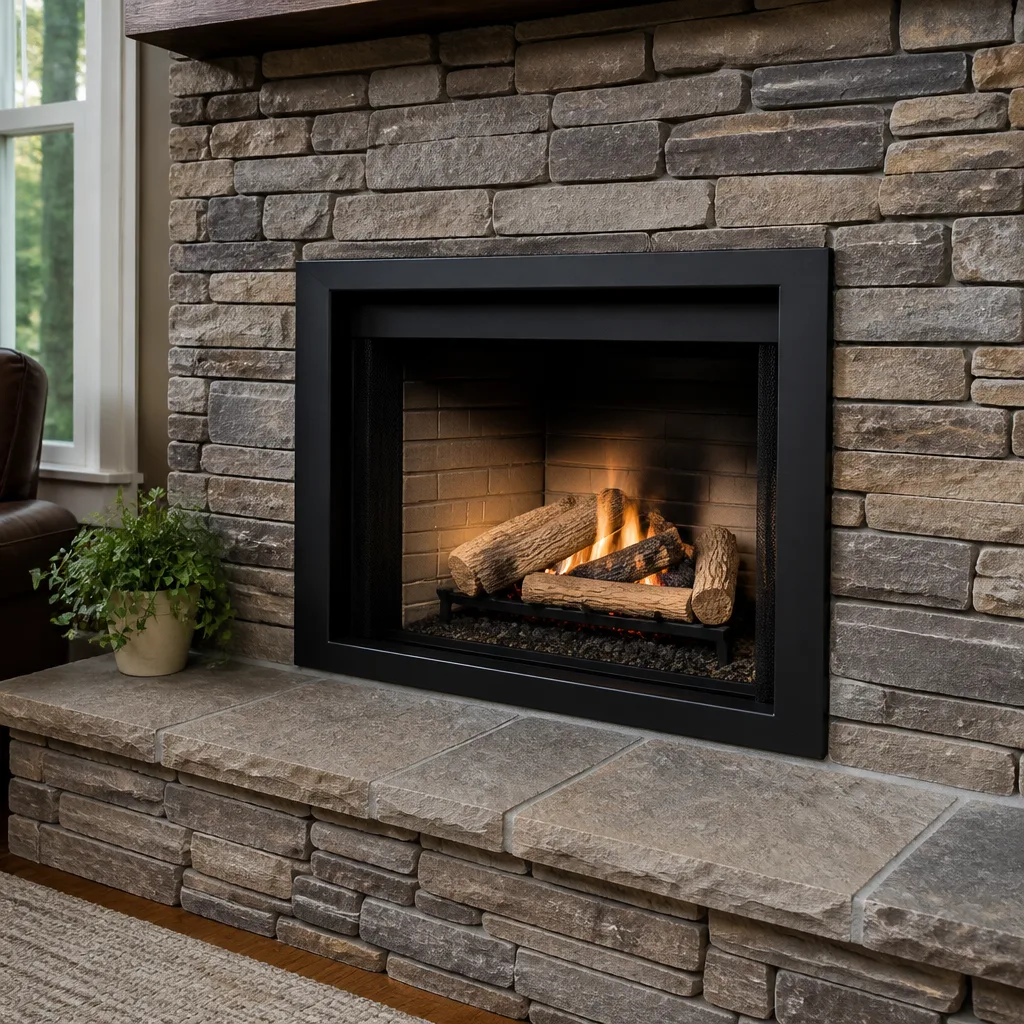 Gas fireplace service
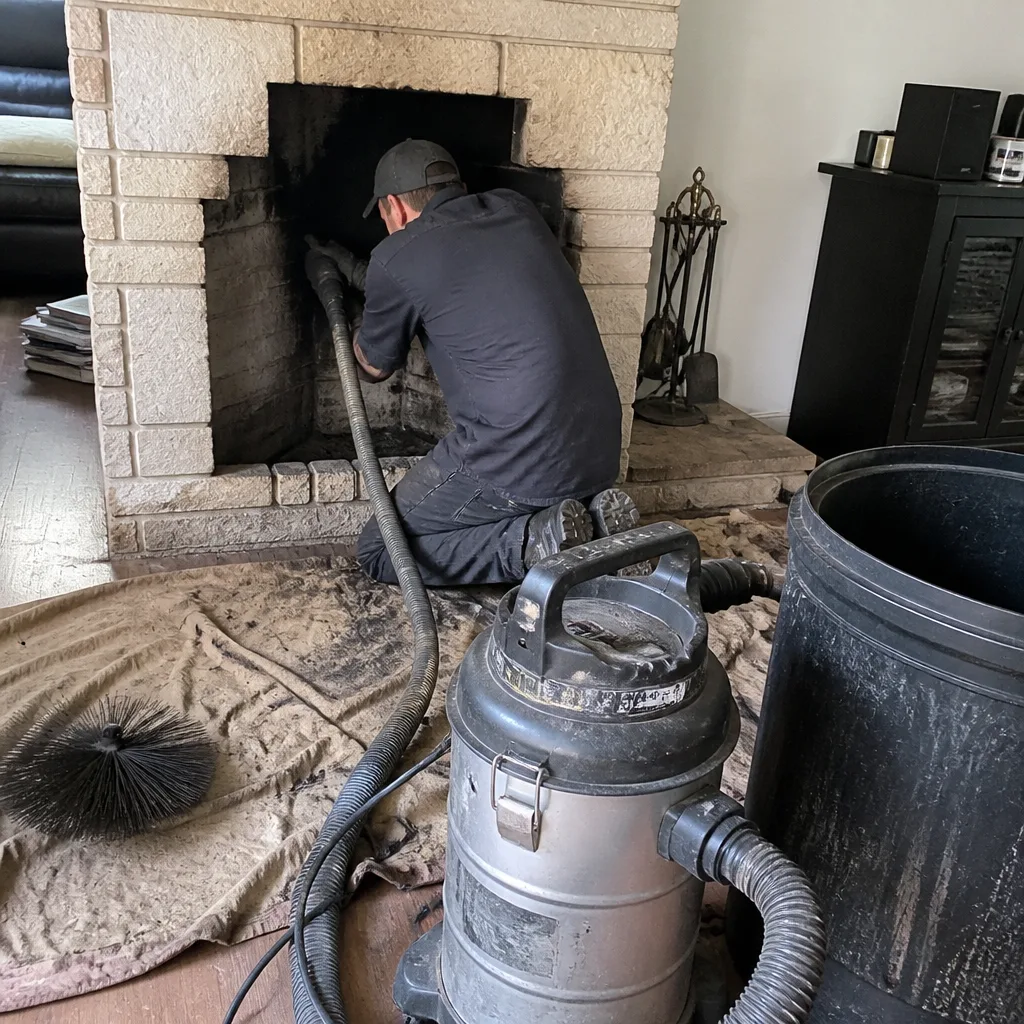
Level 1 sweep and inspection to the NFPA 211 annual standard - flue, crown, cap, and flashing checked and photographed
Chimney sweep logs do not sweep chimneys. They loosen some creosote - which then falls where a brush and vacuum still have to collect it.
Chimney Sweep Maintenance Checklist for Fort Lauderdale Homeowners
The six weeks after hurricane season ends is the single most neglected maintenance window for Fort Lauderdale chimneys. Homeowners breathe a sigh of relief when the last storm passes, then forget the chimney entirely until December, when they light the first fire and discover what six months of salt air, wind-driven rain, and nesting animals did to their flue. Skipping that post-storm check is exactly how a $200 cleaning turns into a $2,000 repair. This guide gives you a task-by-task maintenance schedule built around Fort Lauderdale’s actual calendar: pre-storm prep in May, post-storm inspection in November, pre-burn cleaning in December, and a post-burn check in February. No four-season fluff from northern markets. Just what actually matters when you own a chimney in South Florida.
Styles & brands we work with
Quick Answer
A Fort Lauderdale chimney needs four checks per year: one in May before hurricane season, one in November after storm season ends, one in December before the first fire of winter, and one in February after the burn season winds down. Between professional sweeps, homeowners should visually check the chimney cap, firebox, and damper for rust, debris, or animal activity, and document everything with dated photos. Most Fort Lauderdale chimney sweeps run between $180 and $300, and an annual sweep plus inspection is the cheapest insurance against a chimney fire or a carbon monoxide leak.
Table of Contents
- Why Standard Chimney Checklists Fail in Fort Lauderdale
- May: The Pre-Storm Prep You Can’t Skip
- November: The Post-Storm Inspection That Saves You Money
- December: The Pre-Burn Cleaning
- February: The Post-Burn Check
- What You Can Safely Eyeball vs. What Needs a Trained Sweep
- How to Document Your Chimney’s Condition With Dated Photos
- The Three Components Fort Lauderdale Homeowners Routinely Skip
- Common Mistakes to Avoid
- When to Call a Professional
- Frequently Asked Questions
- The Bottom Line
Why Standard Chimney Checklists Fail in Fort Lauderdale
Most chimney maintenance checklists you’ll find online were written for houses in Minnesota or Massachusetts. They assume snow, ice dams, and freeze-thaw cycles. They assume you’re burning four cords of oak from November to March and that creosote buildup is your biggest enemy. Fort Lauderdale doesn’t work that way. Our chimneys live in a subtropical coastal environment where the real threats are wind-driven salt spray, torrential summer rains, and the kind of humidity that keeps metal sweating for months. The average Fort Lauderdale homeowner burns maybe 20 to 30 fires per year, all compressed into a six-to-eight-week window between mid-December and early February. That changes everything about what wears out, when it wears out, and what a maintenance schedule should look like.
We’ve been working on chimneys here since 2002, and the pattern is consistent: the damage happens during the six months of hurricane season, not during the brief winter burn. Water gets in through a cracked chimney cap or a failed cap screen. Salt air eats at the damper assembly. An animal builds a nest in the flue during the quiet summer months. Then, when a homeowner lights that first December fire, the trapped moisture has already spalled the flue liner, or the nest has become a fire hazard, or the damper has rusted shut. The checklist you need is built around preventing that end-of-year surprise.
So here’s the schedule we recommend, and it mirrors what we tell every customer who calls our Ashby Chimney Fort Lauderdale home office: four checkpoints per year, each with a small set of tasks. Nothing more complicated than that.
May: The Pre-Storm Prep You Can’t Skip
The Atlantic hurricane season officially starts June 1, and tropical systems that hit Broward County bring two things your chimney hates: sustained wind and horizontal rain. A chimney cap that’s loose, cracked, or missing its screen becomes a water inlet during a storm. Once water gets into the flue, it mixes with creosote residue from the previous winter and forms an acidic slurry that eats away at the flue liner (the clay or steel tube that vents combustion gases out of your home). That’s how a perfectly good liner fails in one season.
Here’s your May checklist, in order:
- Visually inspect the chimney cap from the ground. Are the side screens intact? Can you see rust staining on the cap itself? If the cap is tilted or missing a screen, it needs replacement before the first named storm.
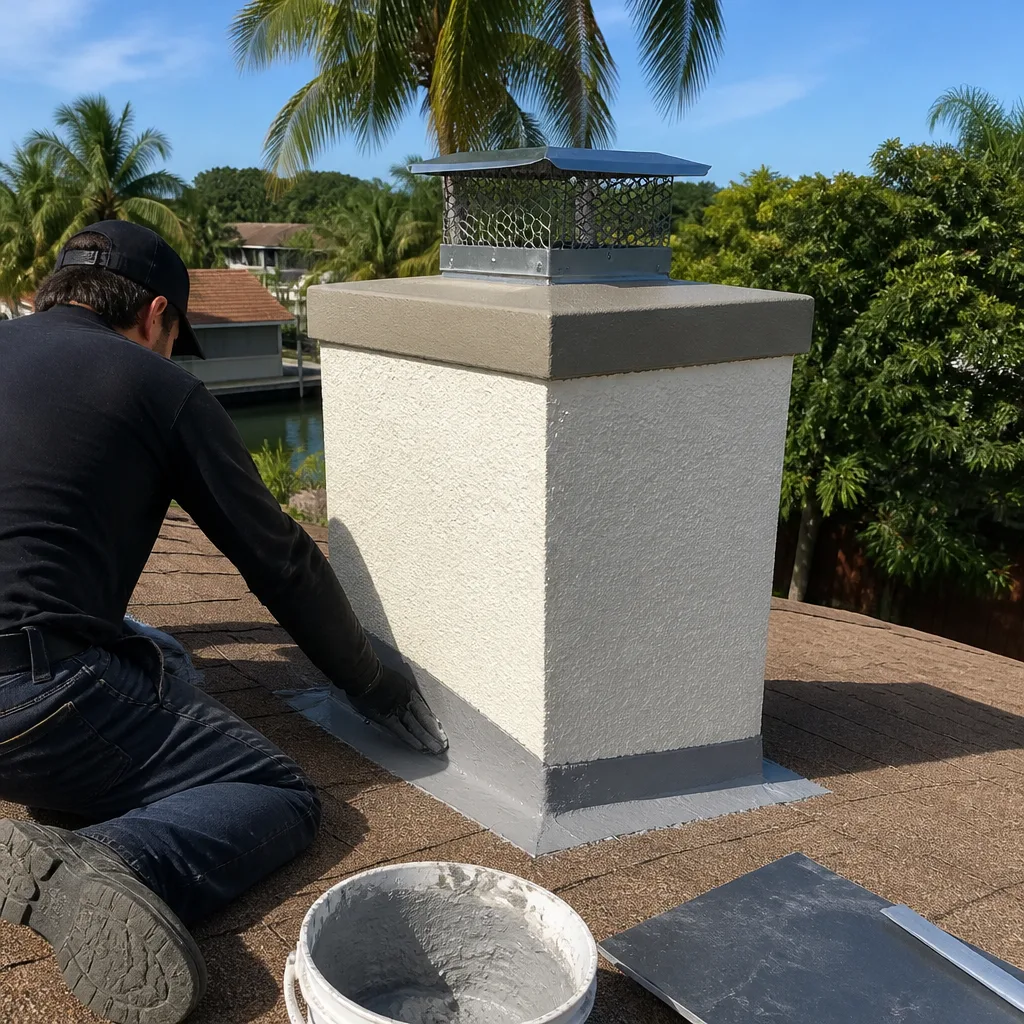
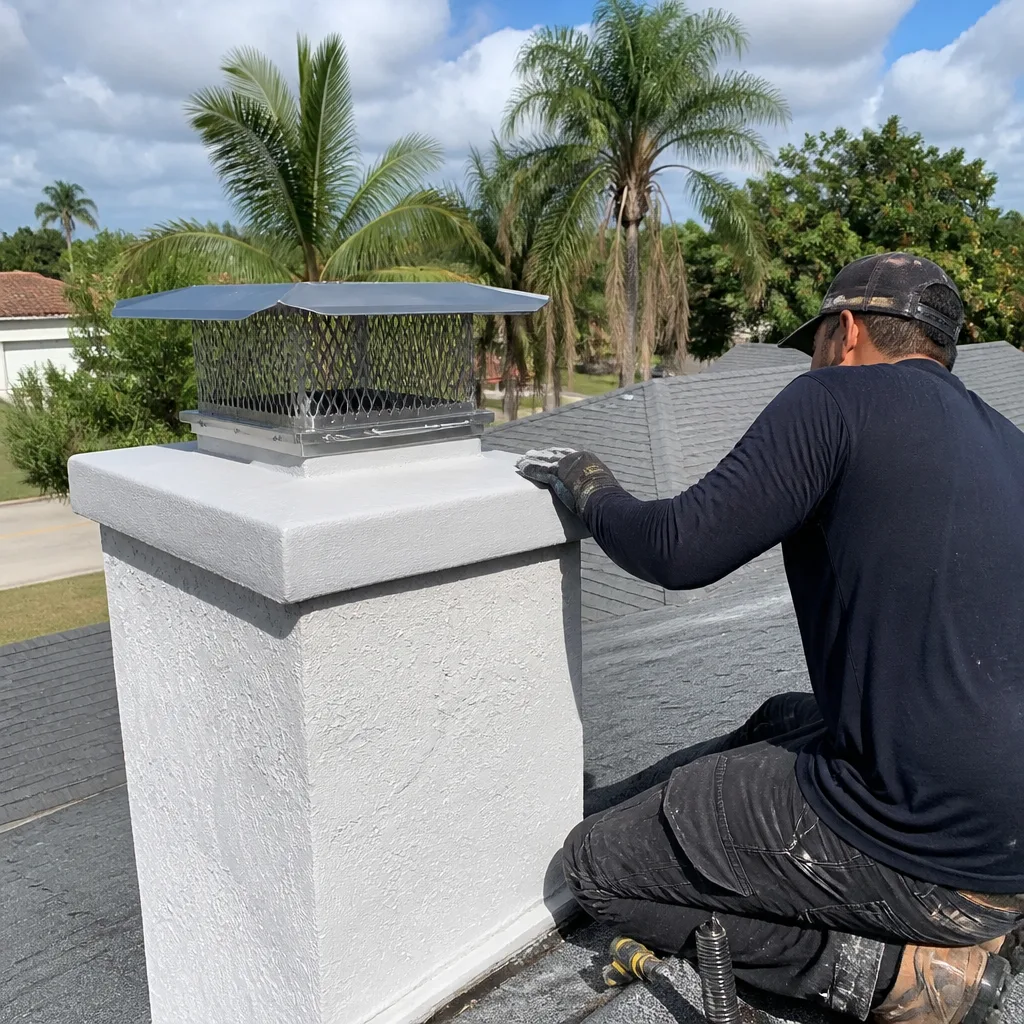
- Check the chimney crown for cracks. The crown is the concrete slab that seals the top of the chimney around the flue. Hairline cracks let water into the brickwork. Look for fresh cracks or chips from ground level, and if you have binoculars, use them.
- Clean debris out of the firebox. Leaves, twigs, and even small branches find their way down an unscreened flue. A wet pile of organic material at the bottom of your firebox is a mold trap and a fire hazard.
- Test the damper. Open it, close it, and feel for rust on the hinges. A damper that won’t seal lets cooled air and humidity into the flue all summer.
- Take dated photos of everything. Good light, clear angles. These photos become your evidence if a summer storm causes damage and you need to document before-and-after conditions.
If any of these five items looks questionable, that’s the time to schedule a chimney sweep in Fort Lauderdale to take a professional look. Waiting until after the storm is when small problems become structural ones.
November: The Post-Storm Inspection That Saves You Money
November is the most important month on this entire checklist. Hurricane season ends November 30, and the six weeks between then and mid-December, when most Fort Lauderdale homeowners light their first fire, is your maintenance window. We can’t count how many times we’ve been called out in December because a storm in September or October dislodged something overhead and the homeowner didn’t notice until smoke rolled back into the living room.
Your November checklist:
- Re-inspect the cap from the ground. Storms loosen fasteners. A cap that was secure in May may be hanging by one screw in November.
- Look for new rust streaks on the chimney exterior. Rust stains running down the brick face mean water has been getting in somewhere above. Trace the stain upward: it points toward the problem.
- Check the firebox for storm debris. After a strong tropical system, you’ll sometimes find leaves, twigs, or even small dead animals that got blown down the flue.
- Smell the flue. Stand inside the fireplace and sniff. Musty, sour, or ammonia-like odors mean something organic is rotting in the flue, or water has pooled somewhere it shouldn’t.
- Schedule your annual sweep and inspection. The best time to book is right after Thanksgiving, before the holiday rush. Most Fort Lauderdale chimney sweeps run between $180 and $300 for a standard sweep, and adding a full inspection at the same visit is the smartest money you’ll spend all year.
One note from experience: many Fort Lauderdale homeowners think a chimney that wasn’t used all summer doesn’t need cleaning. That’s the backwards assumption. The flue sits silent for ten months while South Florida humidity does its work. Moist air condenses on the creosote residue from last winter, and that mixture corrodes metal dampers and clay liners faster than fire heat ever does. A chimney that was unused all summer still needs a chimney inspection in Fort Lauderdale before that first December fire.
December: The Pre-Burn Cleaning
The burn window in Fort Lauderdale is short, typically mid-December through early February. That’s your entire season. Because you’re compressing all your fires into six to eight weeks, you want the flue as clean as possible before the first one. Creosote deposits from the previous winter have had ten months to cure and harden. Hard creosote is the most dangerous kind: it’s dense, tar-like, and burns at a lower ignition temperature than the soft, flaky kind. A chimney fire in December is almost always fueled by hard creosote from the previous season that never got swept.
Your December checklist:
- Verify the damper opens fully and seals when closed. A damper that won’t open completely restricts airflow and sends smoke into the house. A damper that won’t close completely lets all your air-conditioned air escape up the flue, which matters even in December in South Florida.
- Confirm the cap screen is clear of bird nests and debris. Birds love an unused chimney in the spring and summer. A nest packed into the cap screen blocks airflow and can ignite when you start your first fire.
- Look inside the firebox for cracked firebrick or separated mortar joints. The firebox is the chamber where the fire burns, and hairline cracks are normal after years of heat cycling. But if the cracks are wide enough to fit a coin, you need a fireplace repair in Fort Lauderdale before you light another fire.
- Check the smoke shelf. That’s the flat area just above the firebox, behind the damper, where the flue turns. Shine a flashlight up and look for accumulated debris. If it’s more than a light dusting, have it swept.
- Make sure your carbon monoxide detector works. This goes on every checklist, but it matters most if you have a gas fireplace or gas starter. Carbon monoxide is odorless and invisible, and a blocked flue is the most common way it builds up in a house.
None of these tasks require getting on the roof. We don’t recommend any homeowner climb onto a roof, especially in South Florida where roofs are steep and tile roofs are slippery. What requires roof access, like inspecting the top of the flue or replacing a cap, belongs to a trained sweep with proper safety equipment.
February: The Post-Burn Check
After the last fire of the season, usually around mid-February in Fort Lauderdale, you’ve got a long stretch of inactivity ahead. Whatever condition the chimney is in on February 15 is the condition it’ll be in on November 15, when you start thinking about fires again. That makes the February check strategic: you’re locking in the chimney’s health for the ten-month off-season.
Your February checklist:
- Sweep or inspect the firebox after the final fire. Remove cold ashes once the fire is completely out. Ash is acidic and holds moisture against the firebrick and grate, which shortens their lifespan.
- Check for any unusual creosote accumulation. If you burned a lot of unseasoned wood or artificial logs this winter, you may see a heavier than normal creosote coating. That’s a sign the chimney needs a professional sweep before next season.
- Apply a light coat of penetrating oil to the damper hinges. A squirt of WD-40 or similar on the hinge points keeps the mechanism from seizing up during the humid months ahead.
- Close the damper firmly and leave it closed. A sealed damper keeps out humid air, rodents, and storm debris during the off-season. If the damper won’t seal completely, that’s a repair worth addressing now, not in November.
- Take your end-of-season photos. Same angles as always. You now have a complete dated record of the chimney’s condition through an entire year, and that photo log is the strongest negotiating tool you’ll ever hold when a contractor tells you something is “urgent.”
What You Can Safely Eyeball vs. What Needs a Trained Sweep
There’s a line between what a homeowner can check from the ground and what requires a professional with a camera. You don’t need any special equipment for the visual checks, but you do need to know where the line is. Crossing it, either by skipping professional inspections entirely or by attempting DIY repairs on dangerous components, is how chimneys become hazards.
What you can safely check yourself, from the ground or fireplace opening:
- Chimney cap condition: Look for rust, missing screen, or a cap that’s visibly tilted. A missing cap screen is the single most common entry point for birds, squirrels, and rats in Fort Lauderdale.
- Rust streaks on the chimney exterior: Discoloration on the brick face points to water ingress. The streaks are symptom, not the disease, but they’re the most visible clue you have.
- Debris in the firebox: Leaves, twigs, dead bugs, or small bones mean something got down the flue, or the damper isn’t sealing, or both.
- Damper operation: Stiff hinges, visible rust, or a damper that won’t open or close fully is a red flag you can check without any tools.
- Smoke shelf dusting: With a flashlight and a mirror, you can see whether the shelf behind the damper has a light dusting or a thick pile of creosote.
What requires a trained sweep with a camera:
- Flue liner condition: The flue liner is the hidden part of the chimney. Cracks, spalling, and separated joints are only visible with a chimney camera system. We’ve found cracked liners in chimneys that looked pristine from the outside.
- Creosote thickness inside the flue: What you see at the firebox is only the bottom. The upper third of the flue is where most Fort Lauderdale chimney buildup happens, because the gases cool as they rise and condense on the cooler upper walls.
- Chimney crown cracking: Small crown cracks are invisible from the ground and often invisible from the roof without close inspection. They leak enough water to damage the brickwork below over several seasons.
- Flashing integrity: The metal that seals the roofline where the chimney passes through. Loose or corroded flashing is the most common cause of water damage around the roofline, and it requires roof access to inspect properly.
- Blockages in the upper flue: A bird nest, a dead squirrel, or a collapsed flue tile can sit in the upper third of the flue and never be visible from below. These blockages are what cause carbon monoxide backup, and they’re found on every chimney inspection in Fort Lauderdale we perform with a camera.
Safety note: chimney caps and flue components at roof level involve heights and steep pitches. We don’t recommend any homeowner go on the roof in Fort Lauderdale, where tile and clay roofs are unforgiving in a fall. High-access work belongs to a trained professional with fall protection. The same goes for damper replacement, which involves working inside the firebox with specialized hardware. Even reading a guide about it is safer than attempting it without trade experience.
How to Document Your Chimney’s Condition With Dated Photos
The most underrated tool in a Fort Lauderdale homeowner’s chimney maintenance kit is a phone camera. Here’s the practical reality: when a contractor tells you that you need a $4,000 liner replacement or a $2,500 crown rebuild, your ability to verify that claim depends on whether you have a record of the chimney’s condition over time. Photos dated across multiple seasons are the single best defense against being told your chimney has a “new” problem that was actually pre-existing.
Here’s the simple documentation system, and it takes about five minutes per checkpoint:
- Photograph the chimney cap from the ground at each of the four seasonal checkpoints. Same angle, same distance. After two years, you’ll have a timelapse of the cap’s condition.
- Photograph the chimney crown and flashing from the best vantage point you have. If you have a second-floor window with a view of the roof, use it. That angle catches crown cracks that ground-level shots miss.
- Photograph the firebox interior after cleaning. Three shots: the back wall, the left wall, and the right wall. Firebrick cracks show up clearly in photos, and you’ll notice changes between seasons.
- Photograph the damper from inside the firebox with a flashlight. Rust appears in photos more clearly than it does in person.
- File the photos with the date and a short note in a folder on your phone or cloud drive. “November 2025: post-storm check. Cap screen intact, no rust streaks. Firebox clean. Damper closes fully.” That one note, repeated four times a year, is a maintenance log that any insurance adjuster or courtroom would take seriously.
This practice costs you nothing and pays off in two ways. First, you catch changes early because you’re looking at the same angles regularly. Second, if a storm damages your chimney in August, you have May photos that prove the condition before the storm. That’s leverage with insurance adjusters and with any contractor who tries to claim the damage was older than it was.
Our techs at Ashby Chimney Fort Lauderdale follow the same principle. Before we touch a chimney, we photograph everything with a camera system, and we show you the photos on a tablet before we start work. Written price before any work starts, photos in hand, written guarantee when it’s done. That’s the standard we operate under, and it’s the standard you should hold any contractor to when it’s your chimney.
The Three Components Fort Lauderdale Homeowners Routinely Skip
Every market has its blind spots, and in Fort Lauderdale, there are three components that get skipped year after year. Not because homeowners are lazy, but because nobody told them these parts need attention in a coastal climate.
The Chimney Cap Screen
The cap screen is the wire mesh that wraps around the chimney cap’s sides. Its job is to keep animals out while letting smoke escape. In Fort Lauderdale, that mesh gets attacked by salt spray for years on end. It rusts through in spots, and once there’s a hole the size of a quarter, a squirrel or a starling will find it. A squirrel in your flue is a filthy, noisy, expensive problem: nests block airflow and become a fire hazard, and removing the animal plus its nest is always more expensive than replacing the screen. A new cap with screen typically costs $200 to $400 installed, depending on the flue size and cap type. Replacing a screen before it fails costs less than removing a nest that’s been growing since April.
The Damper Seal
The damper’s job isn’t just to control airflow during a fire. When the fireplace is not in use, which in Fort Lauderdale is about ten months per year, the damper is the only barrier between your air-conditioned indoor air and the outside. A damper with a warped seal or rusted hinges lets a constant stream of humid South Florida air into the flue. Over a season, that humid air condenses in the flue, accelerating liner deterioration and rusting out the damper itself. Homeowners notice their electric bill ticking up and blame the old AC unit, but we’ve seen chimneys where a failed damper seal was the quiet energy leak nobody diagnosed. Replacing a standard damper assembly typically costs $250 to $500, depending on the fireplace type and whether the old damper can be retrofitted or needs a top-mount replacement.
Firebox Caulking
The firebox is the chamber where your fire burns, and the joints between its firebricks are sealed with a fire-resistant mortar or caulking. That material is rated for high temperatures, but it’s not impervious to moisture. Fort Lauderdale’s humidity works on those joints for ten months a year, and hairline cracks form even with zero use. Once a crack is wide enough to fit a fingernail, a small amount of moisture gets into the gap and gradually erodes the joint from inside. The repair is simple: a professional firebox caulking job runs about $150 to $350, depending on how many joints need work. The replacement cost for ignoring it is firebrick replacement, and that’s over $800. It’s the cheapest repair in the chimney business relative to the damage it prevents, and it’s the one Fort Lauderdale homeowners almost never do on their own.
These three components, cap screen, damper seal, and firebox caulking, are small enough that they get forgotten, but the repair bills when they fail are all significant. Work them into your seasonal checklists and you’ll never be surprised by any of them.
Common Mistakes to Avoid
- Skipping the November post-storm check because “the chimney wasn’t used all year.” The off-season is exactly when South Florida weather does its damage. Moisture, salt, and wildlife don’t care whether you burned a fire this year. The flue is still exposed, and the cap and crown are still weathering every storm. An unused chimney still needs its annual inspection.
- Burning unseasoned wood from a roadside seller. Wood that was cut and split six weeks ago contains 40% or more moisture. Burning it in Fort Lauderdale’s short window produces heavy creosote that hardens over the ten-month off-season. Seasoned firewood should be cut and split for at least six months before burning.
- Leaving the damper open when the fireplace is cold. An open damper lets humid air into the flue year-round, and in Fort Lauderdale’s climate, that humidity accelerates rust and liner deterioration. Close it when you’re done with the fire, and keep it closed all off-season.
- Ignoring small rust stains on the chimney exterior. A tiny rust streak in November is often a full-blown water leak by March. The water is getting in somewhere, and whatever’s rusting at the cap or damper level is going to need replacement sooner, not later. Address the source, not the stain.
- Using the fireplace as a trash incinerator for paper or cardboard. Burning paper, wrapping paper, or cardboard produces high flames and flying embers that can exit the flue and land on your roof or your neighbor’s. It also creates a different kind of creosote that’s harder to remove. Fireplaces are for seasoned firewood, not trash.
- Attempting DIY repairs on the flue liner or cap. The flue is the chimney’s safety system, and the cap sits at roof height. Both require specialized tools, training, and fall protection. A “repair” that fails creates a carbon monoxide risk inside your home. These are jobs for a licensed chimney pro every single time.
- Not knowing your chimney’s history when a contractor finds a “problem.” Without dated photos and maintenance records, you can’t tell whether that crack is new or whether it was there last year and your previous inspector missed it. Your documentation is your leverage. If a contractor tells you a repair is urgent, ask to see the camera footage and compare it to your own photo log.
When to Call a Professional
You should call a professional chimney technician when you see rusted or missing cap screens, smell a musty or sour odor coming from the fireplace, notice smoke rolling back into the house during a fire, or find animal droppings or nesting material in the firebox. Any of these means something has failed or is in the process of failing, and a visual inspection alone won’t tell you the full story. Also call if your chimney hasn’t been swept in three or more years, even if you rarely use the fireplace, because creosote and off-season debris don’t clear themselves. Ashby Chimney Fort Lauderdale offers free estimates in Fort Lauderdale, and our technicians always document what they find with a camera before recommending any work. Call (754) 354-1451 to book an inspection, and you’ll get a written price before the work starts, no exceptions.
Frequently Asked Questions
Most chimney sweeps in Fort Lauderdale run between $180 and $300 for a standard sweep, depending on the chimney’s height, the flue size, and whether the sweep includes a full camera inspection. At Ashby Chimney Fort Lauderdale, we quote a written price before any work starts, so the number on your invoice matches the number we gave you at the door. Call (754) 354-1451 for an exact quote, estimates are free.
Once a year, even if you only burn a few fires during the short winter window. The annual sweep is less about creosote accumulation and more about checking for the water damage and animal intrusion that happens during South Florida’s long off-season. If you have a gas fireplace or gas logs, an annual inspection is still needed to check for blockages and carbon monoxide risk.
Yes, because the cap’s job has nothing to do with how often you burn a fire. The cap and its screen are what keep rain, animals, and storm debris out of the flue during the ten months the chimney sits idle. A missing or damaged cap on an unused chimney is actually the most common way water gets into the flue and destroys the liner. A replacement cap costs $200 to $400, and it’s the cheapest insurance against a liner replacement that runs into the thousands.
The short answer is that you’re flying blind on the condition of the flue liner, and the flue liner is the component that protects your house from chimney fires and carbon monoxide leaks. Without an annual inspection, a small crack in the liner or a bird nest in the upper flue can go unnoticed until the first fire of winter, when it becomes a real hazard. The annual inspection is when those problems are found while they’re cheap fixes.
It’s not an exaggeration, it’s the primary cause of chimney damage in Fort Lauderdale. Sustained tropical-storm-force winds loosen chimney caps, and horizontal rain finds every crack in the crown and flashing. We’ve documented dozens of chimneys in older Fort Lauderdale neighborhoods where water intrusion during a single storm system caused more damage than a decade of normal use. The post-storm check in November is the most important maintenance task on the calendar, and we recommend it every year.
No. If you suspect any storm damage to the cap, flashing, or flue, do not use the fireplace until a professional has inspected it. A compromised flue creates a carbon monoxide risk, and gas appliances are the most common source of CO problems in homes. If you live in Fort Lauderdale and haven’t had your post-storm inspection this season, call (754) 354-1451 to schedule one before you light anything.
The Bottom Line
Fort Lauderdale chimneys fail on a schedule that has nothing to do with winter, and everything to do with hurricane season and the long stretch of humidity that follows. The maintenance schedule that works here is four checkpoints: May pre-storm prep, November post-storm inspection, December pre-burn cleaning, and February post-burn check. Each checkpoint has a short list of tasks, and each task protects a component that’s expensive to replace when ignored. Document everything with dated photos, know what you can check yourself and what needs a trained sweep, and don’t skip the inexpensive fixes that prevent the expensive ones. If you own a chimney in Fort Lauderdale, this is the year your maintenance schedule starts paying for itself.
Written by Nathan Corliss, Owner at Ashby Chimney Fort Lauderdale, serving Fort Lauderdale since 2002.
See the difference
 Before
 After
After Before
 After
After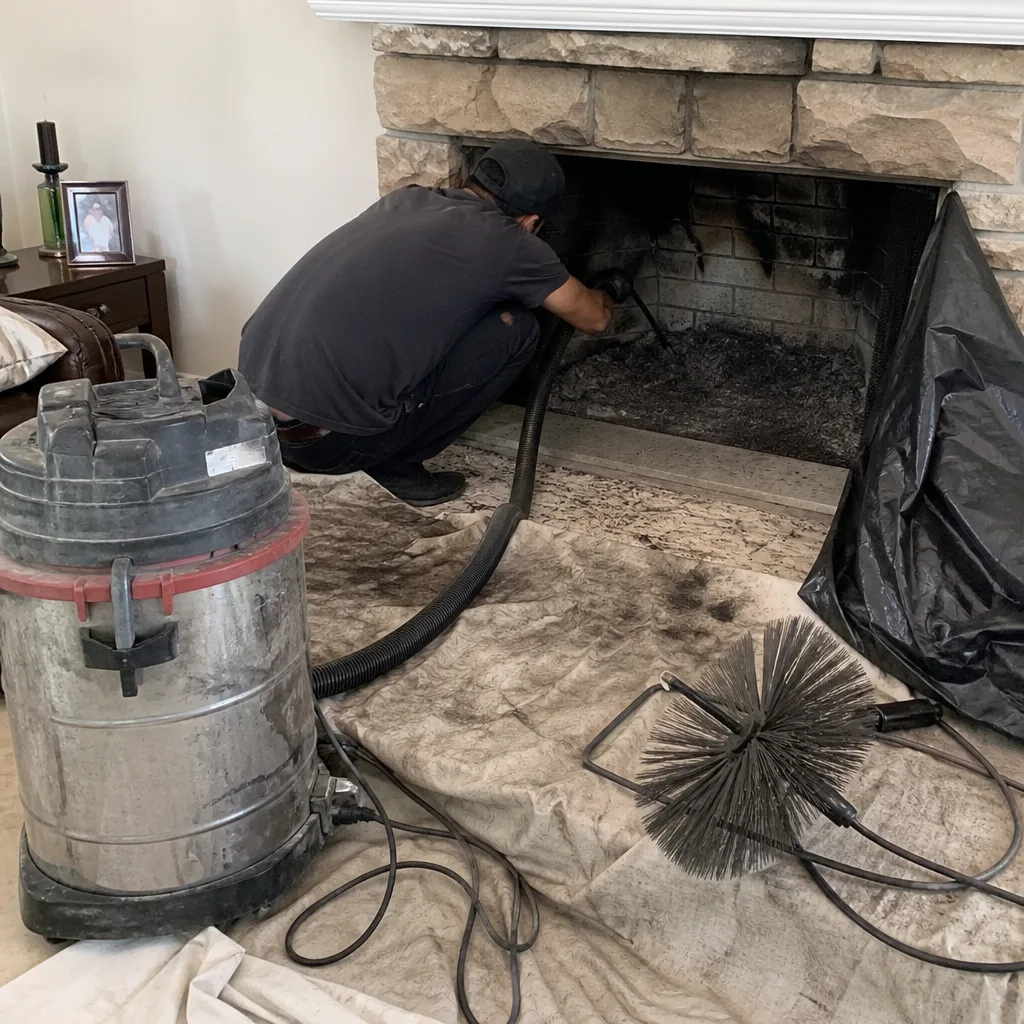 Before
 After
After