
Last updated October 15, 2026
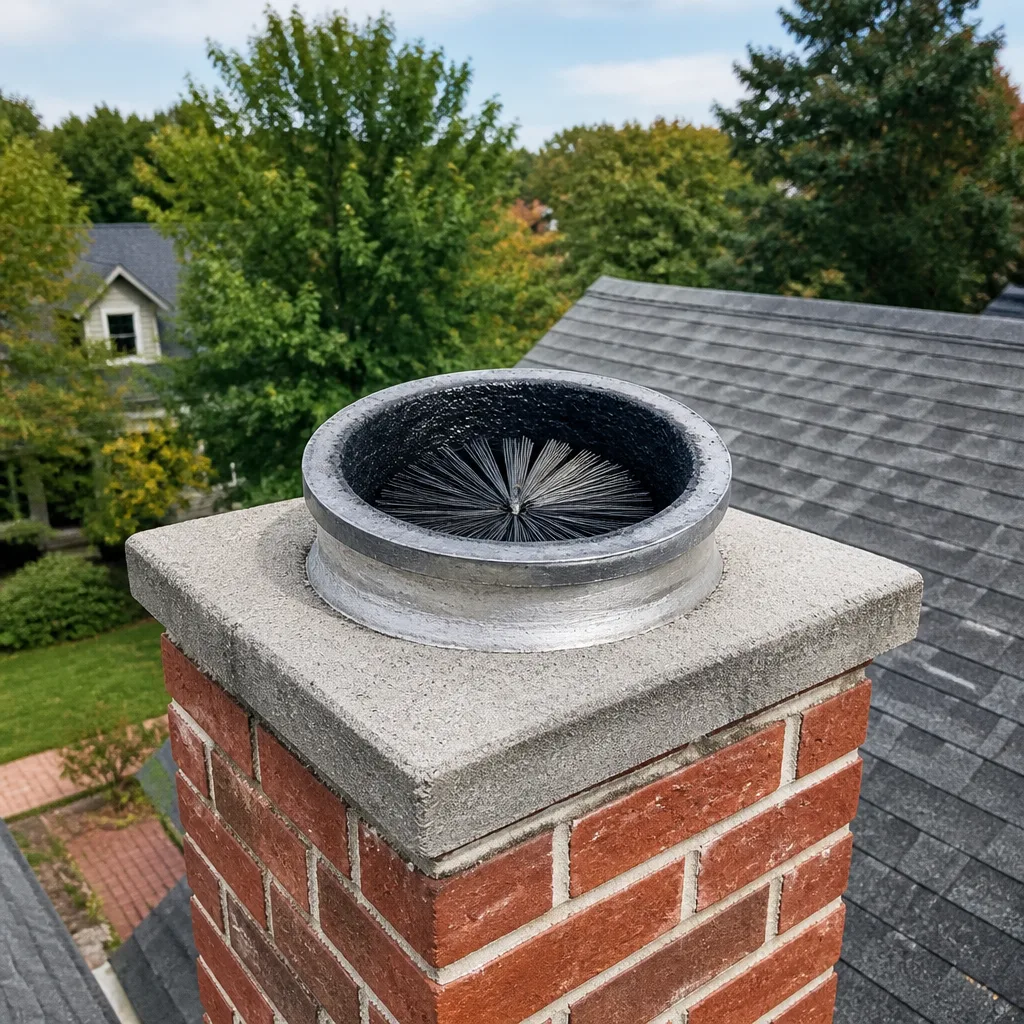 Sweep & inspection
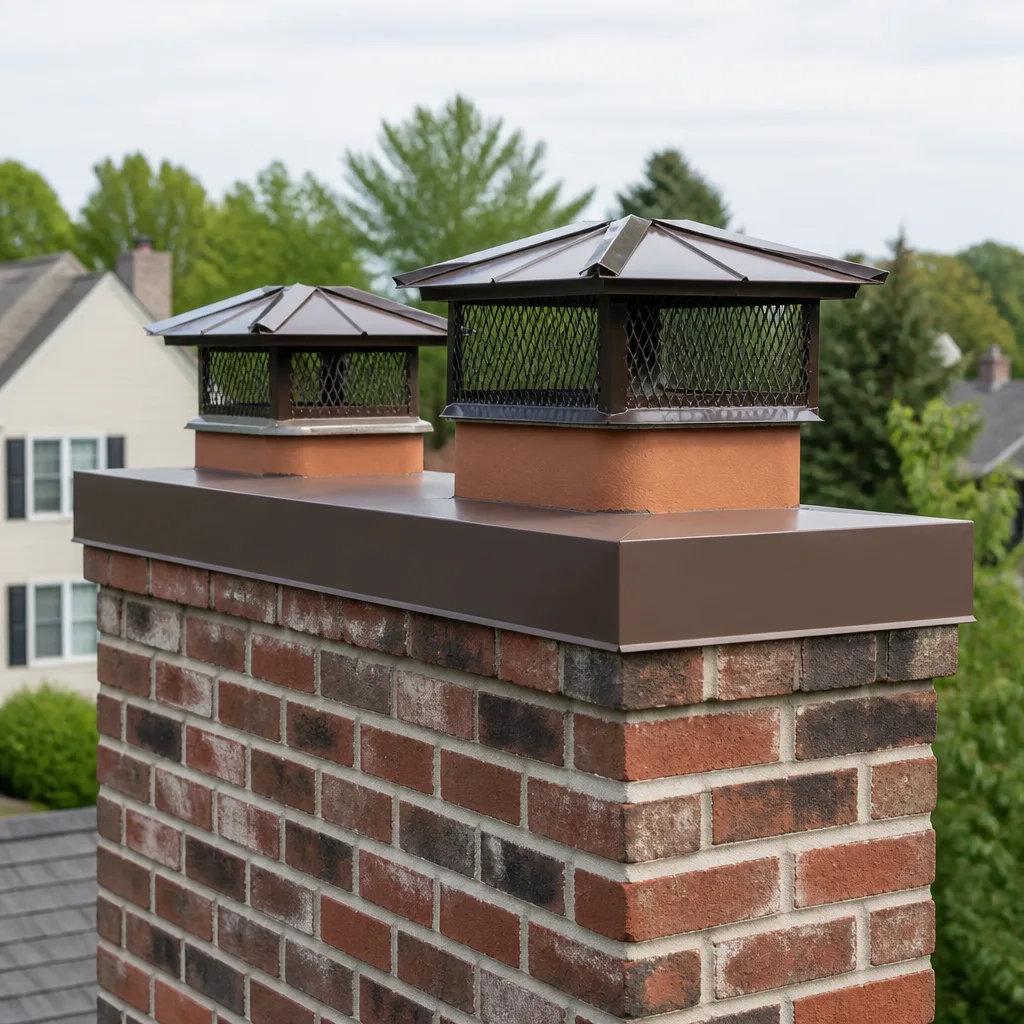 Caps & crowns
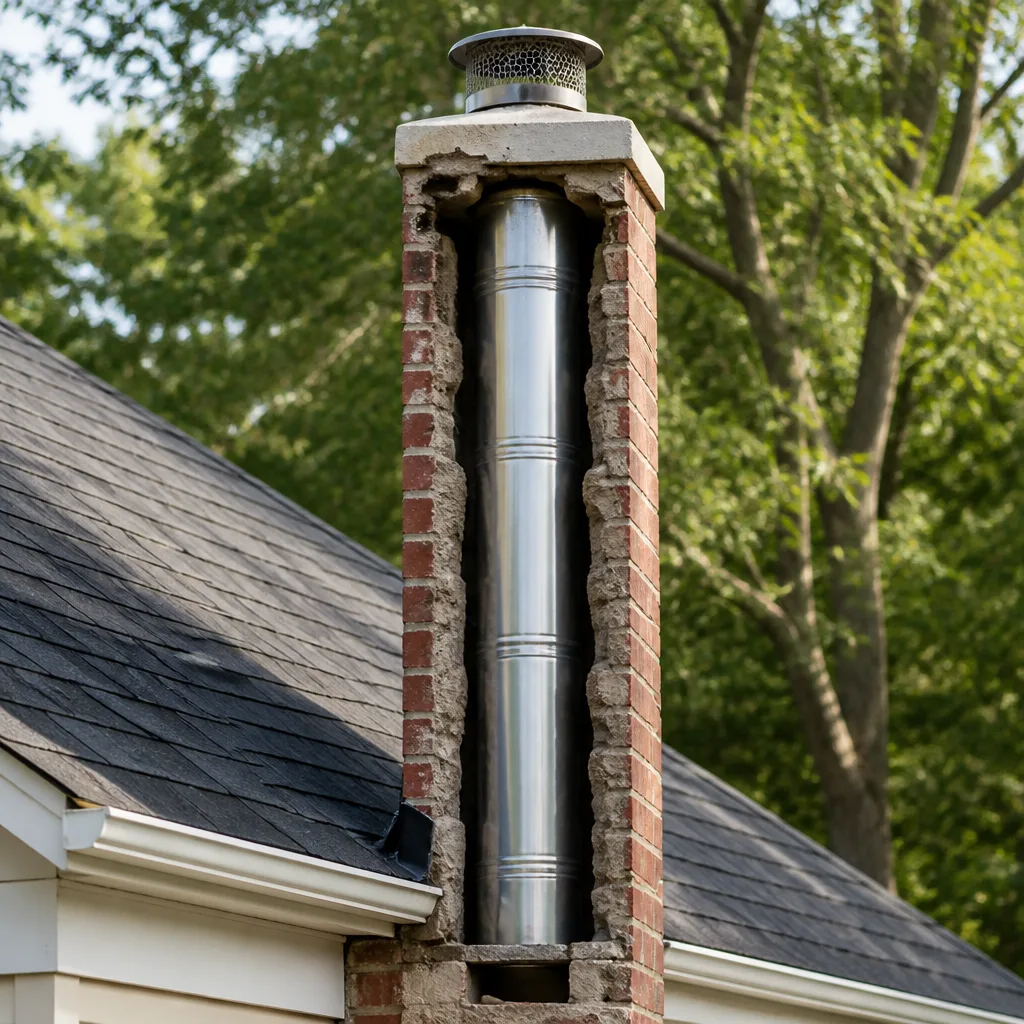 Flue relining
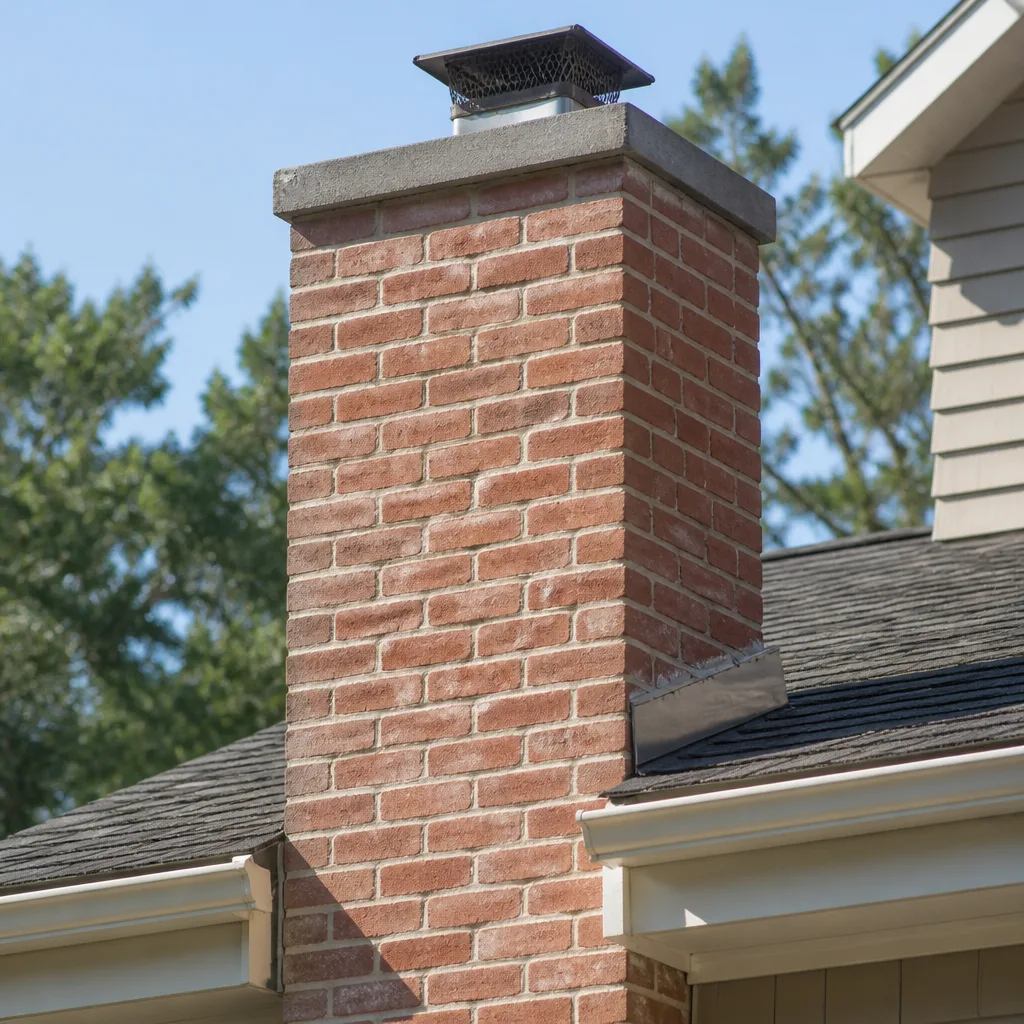 Masonry repair
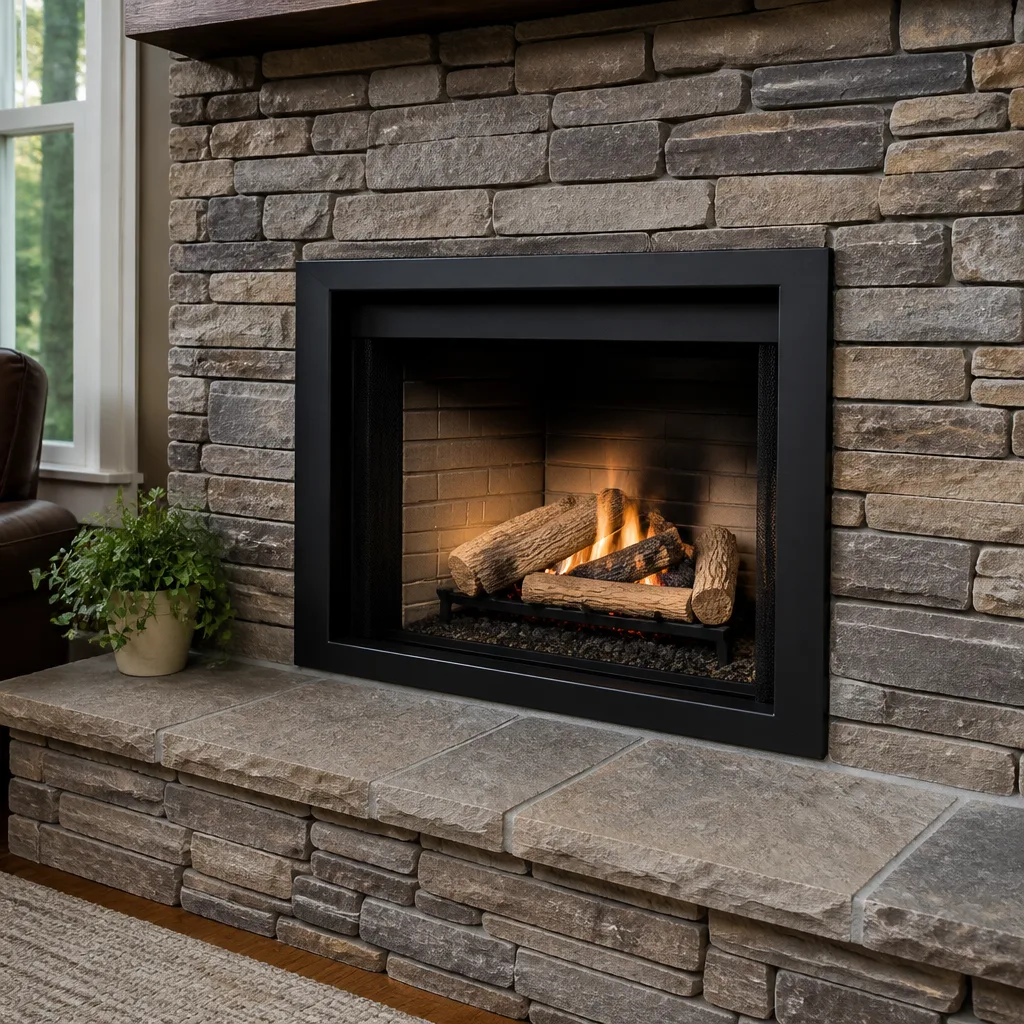 Gas fireplace service
Level 1 sweep and inspection to the NFPA 211 annual standard - flue, crown, cap, and flashing checked and photographed
Chimney sweep logs do not sweep chimneys. They loosen some creosote - which then falls where a brush and vacuum still have to collect it.
Chimney Cleaning Warning Signs: A Fort Lauderdale Homeowner’s Reference Guide
Most chimney guides spend their time on creosote buildup and chimney fires. Those matter in Vermont. In Fort Lauderdale, the warning sign you’ll miss isn’t a sooty smell. It’s a rust stain on the firebox floor that’s been there since 2019, quietly telling you water has been finding its way down the flue for years, and the steel components behind your brick are corroding out of sight. This guide walks through the warning signs that actually show up in South Florida homes, which ones need a phone call today and which ones can wait a season, and what to photograph before you call a chimney company so the visit is scoped correctly from the start.
Quick Answer
The most common chimney warning signs in Fort Lauderdale are moisture-driven: spalling or flaking brick on the exterior, rust staining inside the firebox, white mineral deposits (efflorescence) on the chimney crown, animal activity in the flue, and white streaking on a metal chase cover. Any of these means water or wildlife has breached the chimney system, and the repair gets more expensive the longer it’s ignored. If you see rust inside the firebox or hear animals in the flue, schedule a professional chimney inspection this week.
Styles & brands we work with
Table of Contents
- Spalling Brick: The Exterior Warning You Can See From the Curb
- Rust in the Firebox: The Warning You’ve Stopped Seeing
- Efflorescence on the Crown: White Powder That Isn’t Harmless
- Animal Sounds and Odor in the Flue: A Fort Lauderdale Constant
- White Streaking on the Chase Cover: Prefab Fireplace Warning Signs
- Cosmetic Staining vs. Active Water Intrusion: The Bucket Test
- Watch-and-Monitor vs. Call-Today: A Prioritization Guide
- What to Photograph Before You Call a Chimney Company
Spalling Brick: The Exterior Warning You Can See From the Curb
Spalling is what happens when water gets inside brick and the constant cycle of moisture and heat breaks the brick apart from the inside. In Fort Lauderdale, with our rain patterns and humidity levels, brick chimneys face this pressure year-round. Walk outside and look at the chimney from the ground. You’re looking for brick faces that have flaked off, leaving a softer, crumbly surface behind, or small piles of red dust and brick fragments at the base.
What’s happening is straightforward: water enters through tiny cracks in the brick or mortar, soaks into the masonry, and then the South Florida sun heats the surface and drives expansion. Over years, that cycle pops the brick’s outer face right off. Once spalling starts, it accelerates, because the softer inner brick absorbs water even faster.
This is not a cosmetic issue. Spalled brick exposes the interior of the chimney to more water intrusion, which then attacks the flue liner, the smoke shelf, and any metal components behind the masonry. In our experience, by the time a homeowner in Fort Lauderdale notices spalling from the curb, there’s usually already water damage behind the brick that they can’t see.
There’s a difference between hairline cracks in mortar joints, which are common and often cosmetic for years, and actual brick face loss. Hairline joint cracks need monitoring. If you can run your finger over a joint and it’s just a line, watch it. If pieces of brick are on the ground or on the roof, that’s spalling and it needs a professional assessment. A Chimney Inspection in Fort Lauderdale that includes a rooftop look at the masonry will tell you whether the spalling is surface-level or has reached the liner.
Rust in the Firebox: The Warning You’ve Stopped Seeing
This is the one that prompted this guide. Open your fireplace doors or look past the screen and study the floor of the firebox, the metal damper, and the back wall where the firebrick meets the throat. Rust stains here mean water is entering from above and running down the flue. It’s that simple. Water doesn’t travel upward. If you have rust on the firebox floor, water got in at the top of the system and found its way down.
In Fort Lauderdale, where fireplaces often sit unused from April through November, rust builds slowly and quietly. There’s no fire to dry it out, no regular use to disturb it. A homeowner glances in during July for decoration reasons and sees a reddish-brown stain on the firebrick and doesn’t think twice. But rust inside the firebox almost always means the chimney crown has failed, the chase cover has corroded through, or the flue liner has a gap. Any of those is a moisture highway into the chimney structure.
There’s a secondary concern specific to South Florida. Rust inside the firebox often comes with a musty smell in the summer, and in Fort Lauderdale the humidity makes that smell stronger indoors. When a customer tells us their fireplace smells like a wet basement in August, we already have a working theory before we arrive. Damp, stagnant air in a flue that never dries out breeds the exact organic smell that lingers through the whole house. That smell is not the fireplace being old. It’s a moisture problem.
The takeaway: exterior brick staining can be cosmetic. Rust inside the firebox is never cosmetic. It’s evidence of water passing through the system, and it’s the warning sign that most often precedes a liner replacement. If you see rust, take a photo and call. A Chimney Sweep in Fort Lauderdale can remove built-up debris while the bigger moisture question gets answered.
Efflorescence on the Crown: White Powder That Isn’t Harmless
Efflorescence is the white, chalky, crystalline deposit that forms on brick, concrete, and mortar surfaces. It shows up on the chimney crown, along the upper brick courses, and sometimes on the chase top of a prefab unit. It forms when water moves through masonry, dissolves the natural salts inside the brick or mortar, and then evaporates on the surface, leaving the salt behind.
Here’s why this matters in Fort Lauderdale more than in most markets: a little efflorescence on an exterior wall can be brushed off and watched. But efflorescence on a chimney crown is a signal that water has been moving through the crown itself. The crown is the concrete slab that caps the masonry and directs water away from the flue. If the crown has hairline cracks, water enters, and every rain event pushes more dissolved minerals to the surface where they dry white.
The simple field test: if you brush the white powder off and it comes back within a few months, water is actively moving through the masonry. That’s not cosmetic staining. That’s a leak. In Fort Lauderdale’s wet season, which runs May through October, you’ll see the efflorescence return fast because the chimney never fully dries. A crown issue left alone eventually cracks wider, lets more water in, and then you’re looking at spalling on the upper courses and interior water damage.
We tell customers not to panic at the first sight of white powder. Get a photo, note where exactly it’s appearing, and if it’s on the crown itself, have it looked at sooner rather than later. Crown repair is one of the least expensive fixes in chimney work when caught early, and one of the most expensive when the crown fails completely and water reaches the liner.
Animal Sounds and Odor in the Flue: A Fort Lauderdale Constant
Fort Lauderdale has a year-round wildlife population, and chimneys without a properly fitted cap are an open invitation. Raccoons, birds, squirrels, and even opossums will use an uncapped flue as controlled-environment housing. The warning signs run from the obvious (scratching, chittering, wings flapping at dusk) to the subtle (a strong, sour odor that gets worse on hot days when the flue heats up).
Animals in the flue are not a minor nuisance. They bring nesting material, which is flammable, and feces, which carries pathogens and attracts insects. In a humid climate like Fort Lauderdale’s, the nesting material also stays damp, and that damp organic matter accelerates corrosion of metal components. A flue with a raccoon nest has a blocked airflow path, which means any future fire could push combustion gases back into the house.
Birds are especially common in South Florida. Chimney swifts are protected under federal law, and if they’re actively nesting, removal has to wait until the young fledge. That’s a timeline issue no chimney company can override. But the most common non-protected scenario is a raccoon or squirrel setting up in a flue that a homeowner rarely uses. The first sign is often an odor that comes and goes with the wind direction, or the sound of movement at night.
The fix is straightforward: a properly sized chimney cap with mesh sides. This is one of those things that costs a small amount and prevents a cascade of expensive problems. If you hear animals, don’t try to smoke them out with a fire. That’s how you get a dead animal stuck in the throat of the chimney, and that’s a worse job for everyone.
White Streaking on the Chase Cover: Prefab Fireplace Warning Signs
Prefabricated fireplaces, which are common in newer Fort Lauderdale construction, vent through a metal chase that rises through the roof. The chase cover is the metal lid on top, and in South Florida it takes a beating from sun, salt air, and rain. When that chase cover starts corroding, the warning sign is white streaking running down the metal sides of the chase, or rust lines along the seams and screws.
Here’s what’s happening: the standard chase cover on many installations is galvanized steel. Galvanization eventually fails in a coastal environment, the steel underneath oxidizes, and the rust runs down with rain, leaving whitish-red streaks. Once the chase cover rusts through, water enters the chase, drips down around the flue pipe, and soaks into the framing around the fireplace chase. That’s the kind of water damage that doesn’t show itself on the interior until the drywall softens or mold appears.
For prefab units, the upgraded replacement chase cover is stainless steel, often built by manufacturers like Copperfield, which is one of the established names in the chimney-trade supply world. Stainless resists the salt air much better than galvanized, and for Fort Lauderdale homeowners it’s the difference between replacing a cover once versus replacing it every few years. If you see white streaking on the chase, the fix is generally simpler than masonry repair: replace the chase cover with stainless, inspect the flue pipe behind it, and re-secure everything. But catch it before the water reaches the roof deck.
Cosmetic Staining vs. Active Water Intrusion: The Bucket Test
Here’s a method we use with Fort Lauderdale customers who aren’t sure if a stain means anything. You can do this from the ground with a pair of binoculars and a little patience. It’s not a substitute for a professional assessment, but it’ll give you a sense of whether what you’re looking at is stagnant or active.
- Mark the stain. Take a high-resolution photo of the stained area from the ground, or draw a light pencil line around interior stains that you can reach safely.
- Wait for a heavy rain. In Fort Lauderdale from June through September, this won’t take long.
- Photograph the same spot again within 48 hours of the rain ending.
- Compare the two photos. If the stain has grown, darkened, or changed shape, water moved through the system during that rain event. That is active intrusion.
- If the stain looks identical after two or three rain cycles, it may be older and currently static. That means it’s still worth inspecting, but you have more breathing room.
One more field clue: interior rust that appears high on the firebox back wall and below the damper is usually from a top-down water path, meaning the crown or cap is the entry point. Interior rust that appears only on the hearth floor and nowhere else is sometimes from wind-driven rain coming down the flue opening itself, which a properly sized cap solves. Not all water entry points are created equal, and identifying the path is what a Chimney Inspection in Fort Lauderdale is built to do.
Watch-and-Monitor vs. Call-Today: A Prioritization Guide
Not every warning sign is an emergency. In fact, one of the ways homeowners get burned is being told that a cosmetic issue is urgent and needs immediate thousands of dollars in work. The other way is being told the opposite. Here’s how we think about severity, and how you should think about it too.
Call today if you see:
- Rust inside the firebox or on the damper. Water is inside the system and it’s actively damaging metal components.
- Animal sounds or strong animal odor in the flue. A blocked flue is a carbon monoxide risk if you use the fireplace.
- White streaking running down from the chase cover on a prefab unit. The cover has failed and water is entering the chase.
- Brick fragments on the ground or roof. That’s active spalling and the chimney’s structural integrity is degrading.
Watch and monitor if you see:
- A hairline crack in a mortar joint with no displacement. Check it every few months and photograph it.
- Faint efflorescence on exterior brick that brushes off and doesn’t quickly return. That can be old material working its way out.
- A small rust spot on an exterior metal chase side but no streaking and no sign of interior moisture. Photograph it and revisit after the next storm.
The rule of thumb: if the warning sign is on the inside of the system, call. If it’s on the outside but static, watch it. If you’re not sure, photograph it and send the photos to a chimney professional before scheduling. At Ashby Chimney Fort Lauderdale, every Fireplace Repair in Fort Lauderdale starts with a written assessment of exactly what we found, and we don’t recommend work you can’t verify with your own eyes.
What to Photograph Before You Call a Chimney Company
The best thing you can do before picking up the phone is gather the visual evidence the technician will need. This saves you money on the visit and makes sure the scope of the job is understood before anyone climbs a ladder. Here’s the photo checklist we give customers in Fort Lauderdale:
- Full exterior shot of the chimney or chase from the ground, taken from two different angles.
- Close-up of any visible cracking, flaking, or staining on the exterior masonry or metal chase.
- Interior shot of the firebox, including the floor, the back wall, and the damper area. Use your phone’s flash.
- Shot of the chimney crown or chase cover if you can see it from a second-story window or with a zoom lens. A drone photo works if you have one.
- Any water stains on interior walls or ceilings near the fireplace. These show the water path inside the home.
- If there’s an odor, note when you smell it most strongly: after rain, on hot days, during certain wind directions. Write it down, don’t rely on memory.
When you call, say you have photos and offer to send them before scheduling. A reputable company will want to see them. If a company brushes off your photos and says they’ll just “take a look when they get there,” that’s a flag. At Ashby, we want to know what we’re walking into before we arrive, because it means the truck is stocked correctly and the job gets quoted accurately the first time. The Ashby Chimney Fort Lauderdale home page has more on how our process works, including the written price that every customer gets before work begins.
Common Mistakes to Avoid
- Ignoring rust in the firebox because “we never use the fireplace.” Water doesn’t care whether you burn wood. The rust is evidence of an active leak, and the damage continues whether or not a fire is lit.
- Painting over efflorescence or spalling brick. Paint traps moisture inside the masonry and accelerates the breakdown. You’ll hide the symptom and worsen the disease.
- Assuming a chimney cap is optional in Florida. Fort Lauderdale has rain, raccoons, birds, and humidity. An uncapped flue invites all of them in. A cap is one of the cheapest protective investments you can make.
- Mistaking an unused fireplace smell for normal. A musty odor in August is a moisture signal. A strong animal odor is a wildlife signal. Neither should be there, and both get worse over time.
- Calling without photographs or notes. The more visual information you gather, the more accurately a company can scope the job and the fewer surprises there are on the invoice.
- Waiting until November to address a June problem. By the time the first cold front hits, every chimney company in Fort Lauderdale is booked. The wet season is when water problems reveal themselves, and it’s also the best time to get them fixed.
- Choosing a company that won’t put the price in writing. If the number isn’t on paper before work starts, it can change. We make every customer in Fort Lauderdale the same promise: written price before any work begins, from the first visit to the last.
See the difference
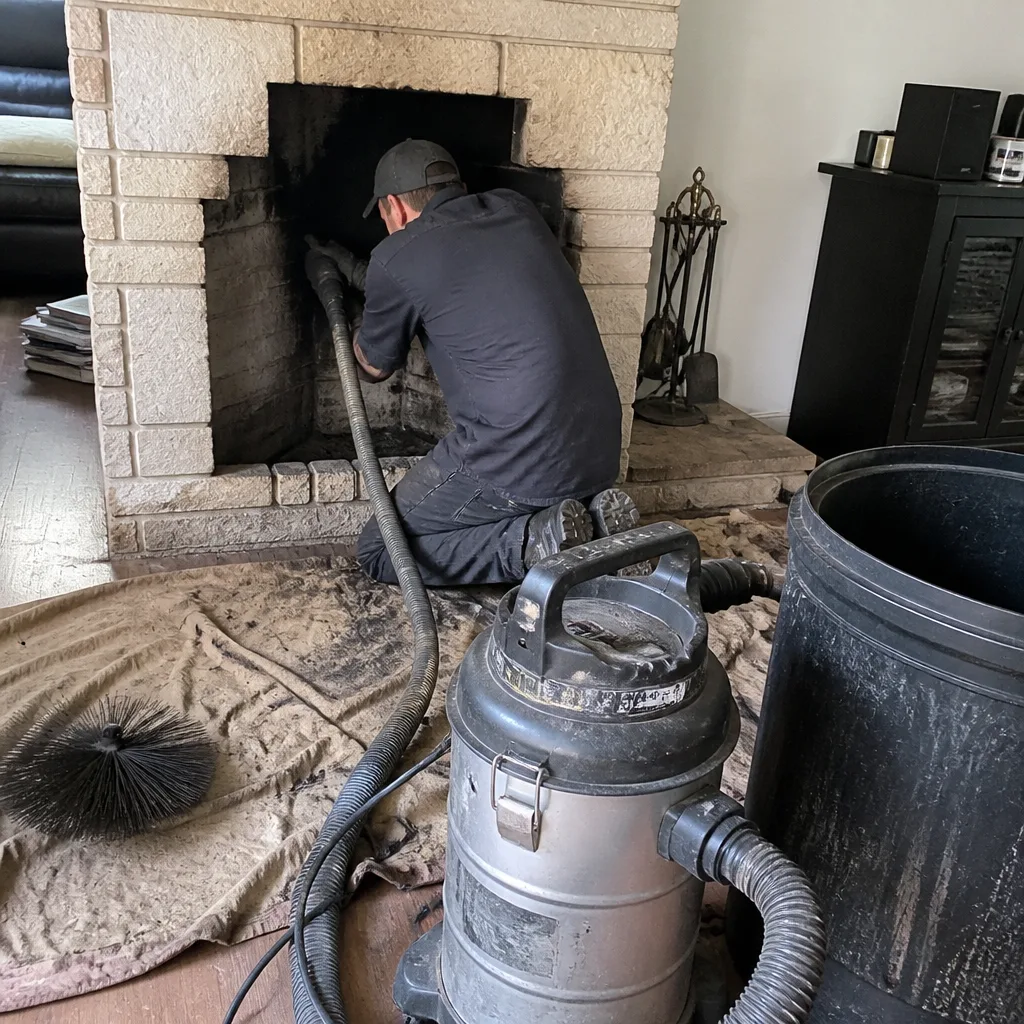 Before
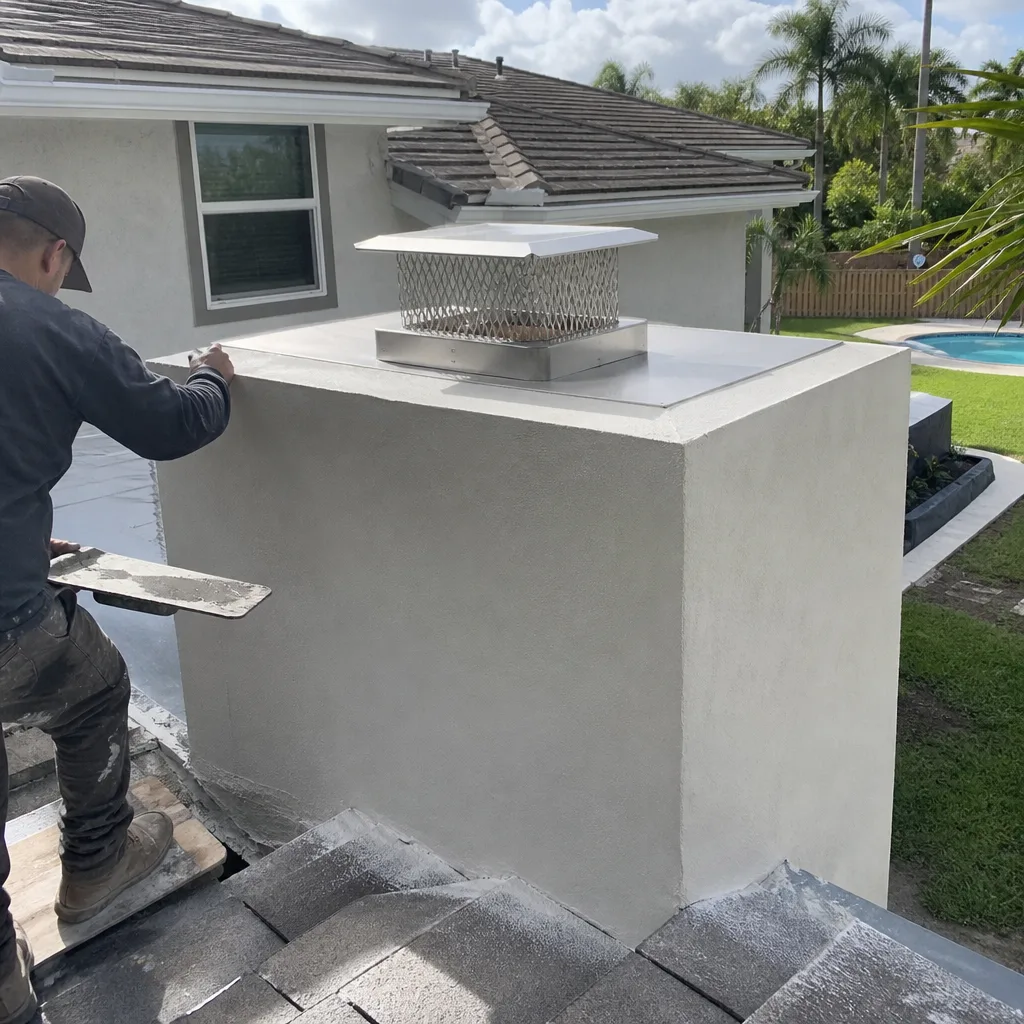 After
After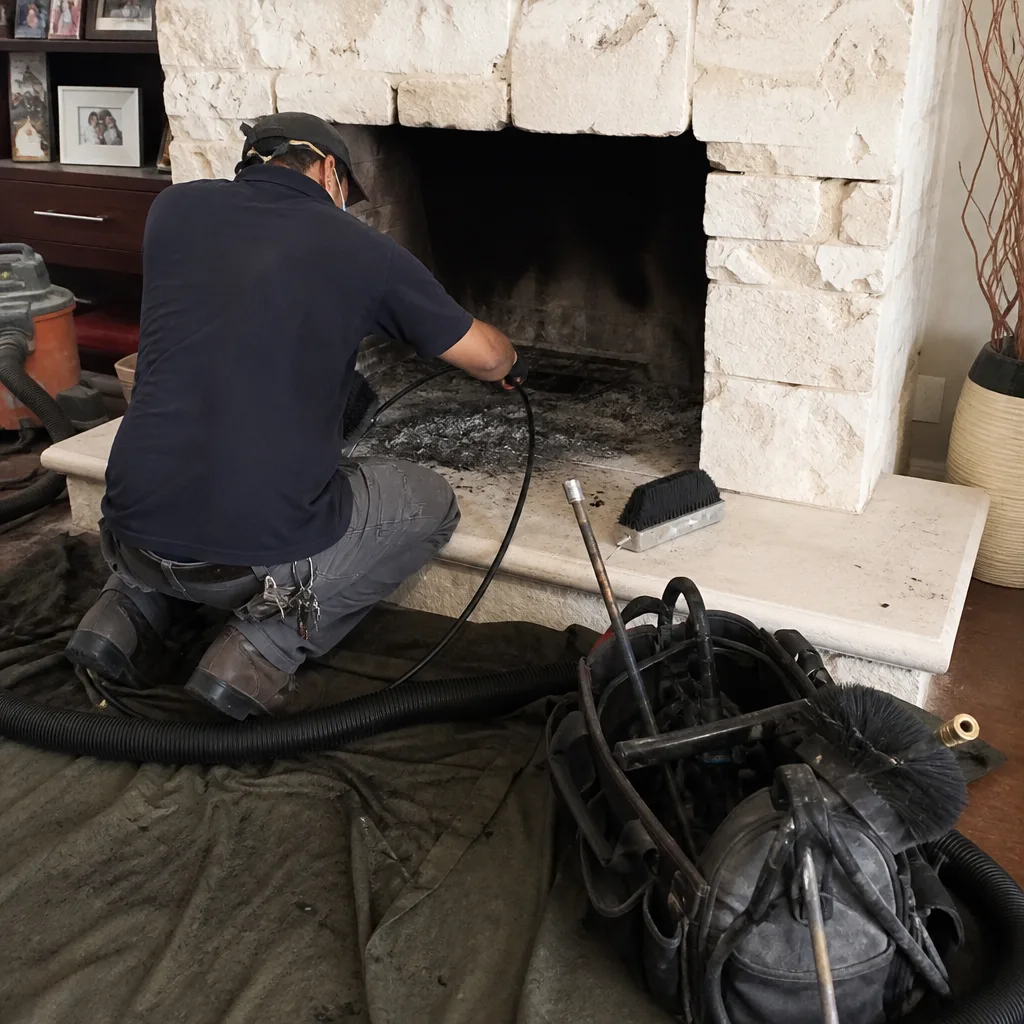 Before
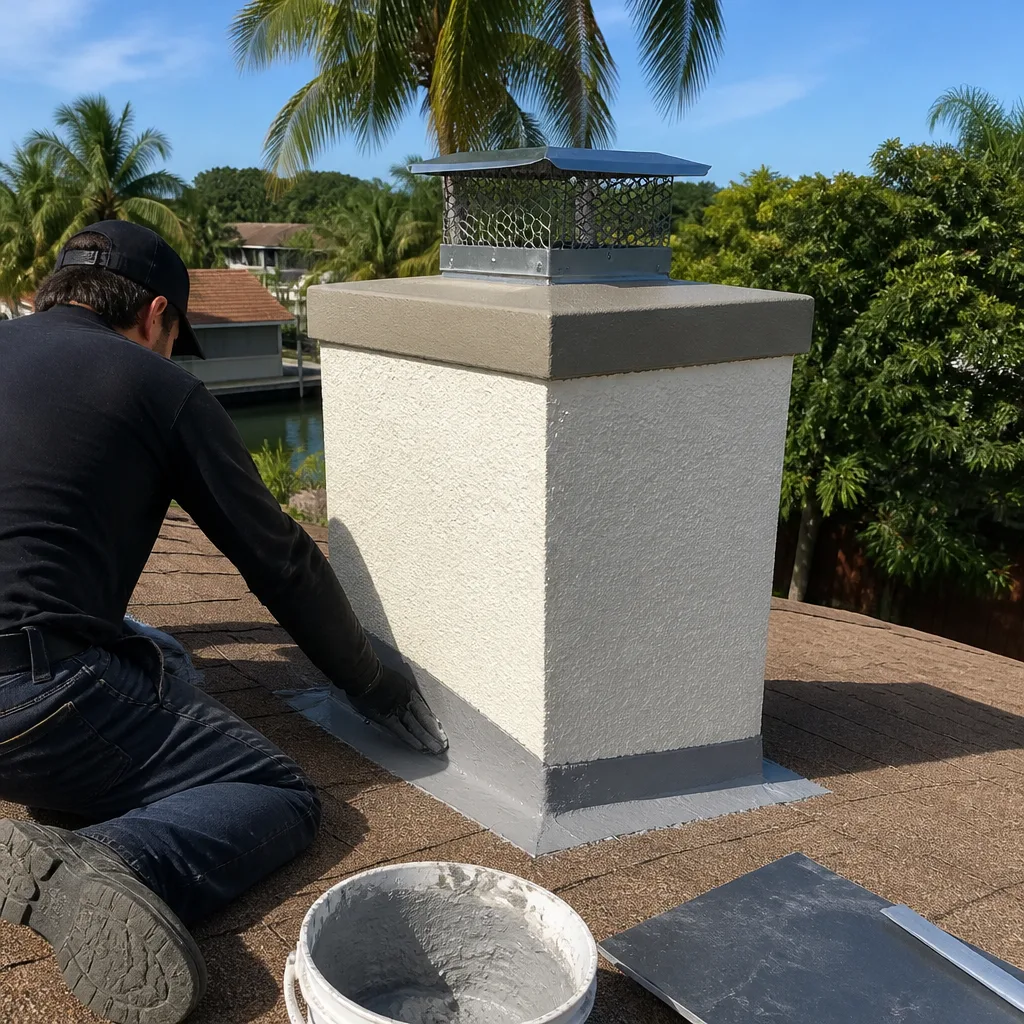 After
After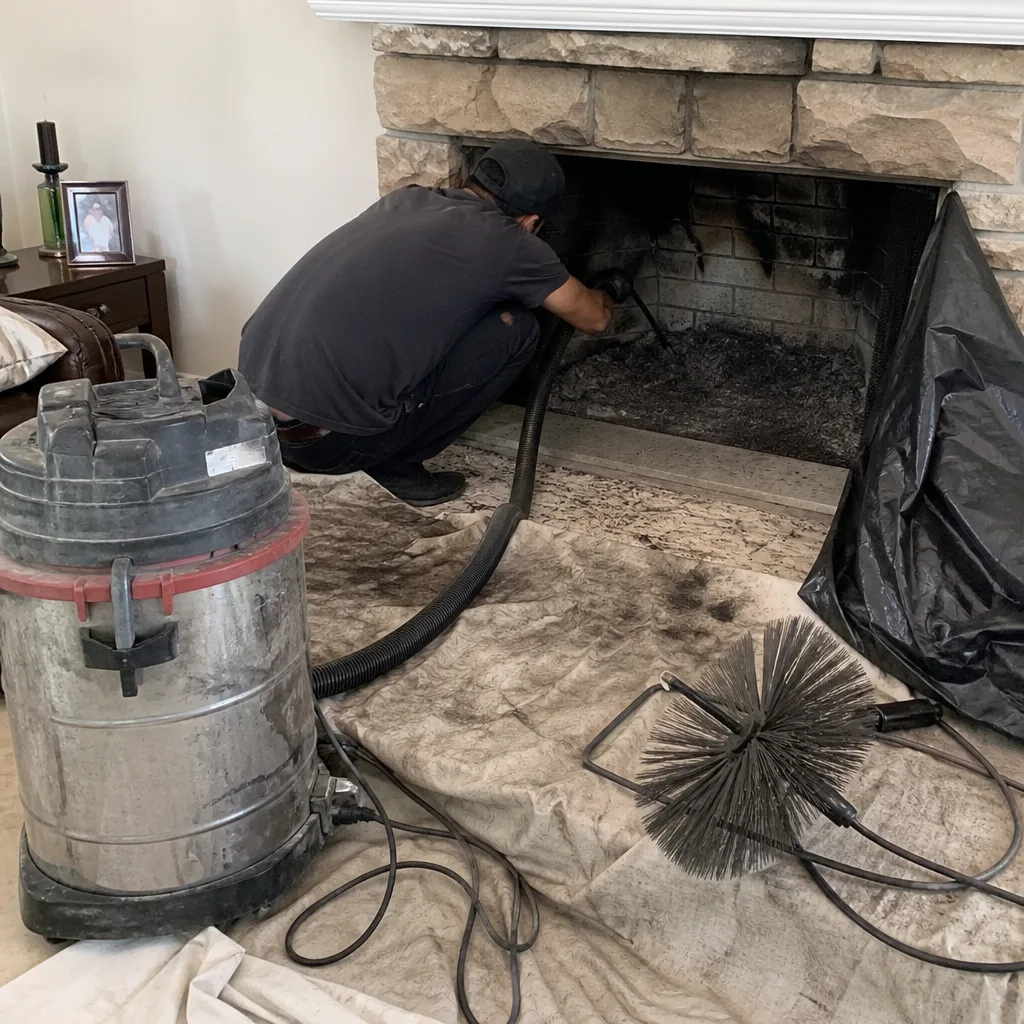 Before
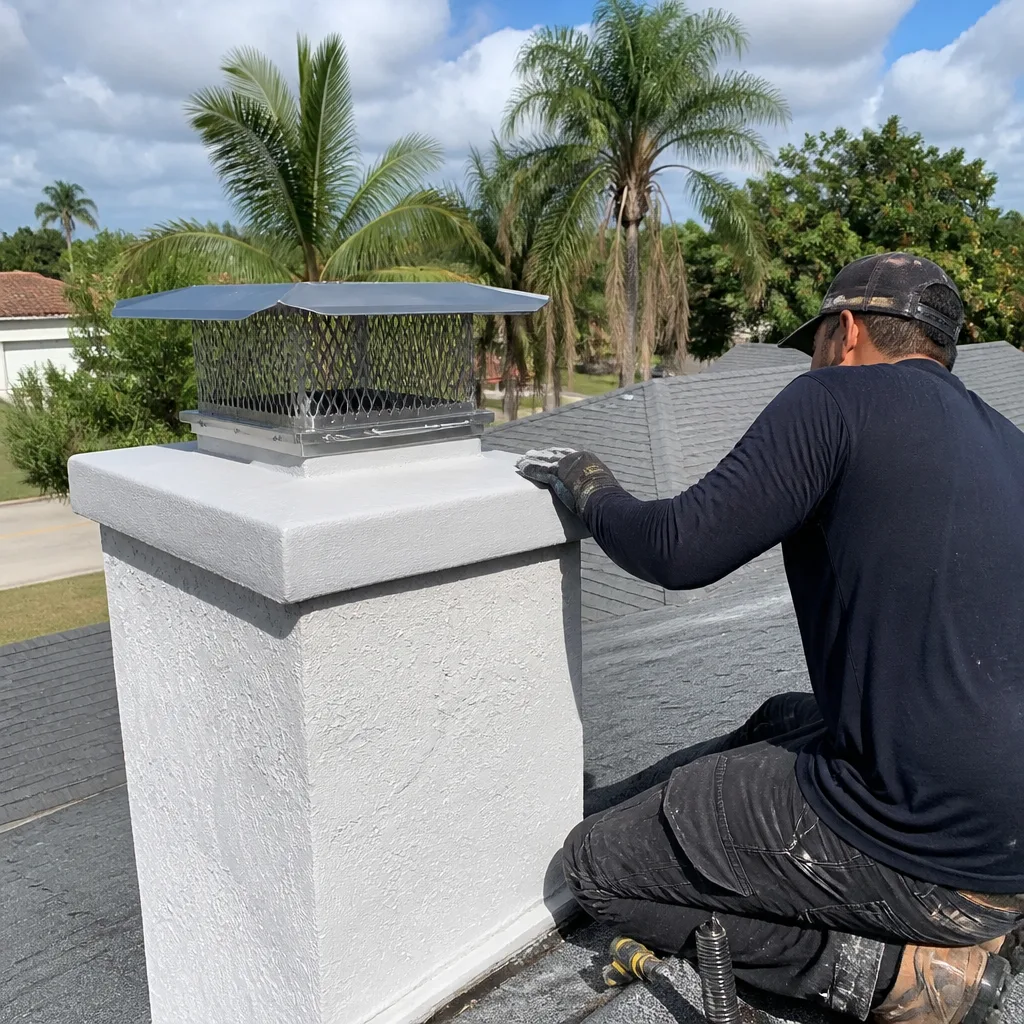 After
AfterWhen to Call a Professional
Call a chimney professional when you see rust inside the firebox, hear or smell animals in the flue, see white streaking on a metal chase cover, or find brick fragments on the ground. Call if a smoke smell accompanies a fire, if water pools in the firebox after a storm, or if a musty odor persists when the fireplace hasn’t been used in months. These are not normal, and they don’t resolve themselves. Ashby Chimney Fort Lauderdale offers free estimates in Fort Lauderdale, call (754) 354-1451, and every job begins with a written price and an explanation of exactly what we found, what it means, and what your options are.
Frequently Asked Questions
Once a year, even if you rarely use the fireplace, because the bigger concern in South Florida is moisture damage and animal intrusion rather than creosote buildup. An annual Chimney Sweep in Fort Lauderdale catches small problems before they become liner replacements. Most Fort Lauderdale homeowners who use their fireplace seasonally can schedule a sweep and inspection together, which is the most efficient and least expensive approach. Call (754) 354-1451 for a free estimate on a sweep in Fort Lauderdale.
In Fort Lauderdale, a standard chimney sweep typically runs between $180 and $350 depending on the condition of the flue, the height of the chimney, and whether an inspection is bundled in. If the chimney has heavy creosote, animal nesting, or needs a deep cleaning, the number can climb. Ask for a written price before you book, and make sure the inspection is included so you know what you’re paying for before the tech arrives. Call (754) 354-1451 for a free estimate.
Not always, and you should never be told you need a liner replacement without seeing camera evidence. A responsible sweep will show you the footage of the cracked or separated liner and explain exactly where it’s failing. If the liner is intact and the issue is moisture entry at the crown or cap, your repair may be much less expensive.
In Fort Lauderdale specifically, the most common outcome is water intrusion that slowly degrades the interior of the chimney, often going unnoticed until rust appears in the firebox or brick begins spalling on the exterior. If the fireplace is still used, a blocked flue from animal nesting or creosote buildup can push carbon monoxide back into the home. The repair bill is almost always smaller when the problem is caught early, and water damage never stops on its own.
Yes, and in many ways the rainy season is the best time, because that’s when active leaks reveal themselves and can be diagnosed accurately. Masonry repairs require a run of dry weather, so a good company will schedule around the forecast. Waiting for the dry season means more water enters the system in the meantime, and the damage compounds.
No, not without a professional inspection. Even if the fireplace looks fine from the outside, a blocked flue, a cracked liner, or animal nesting creates a carbon monoxide risk that you can’t detect visually. A Chimney Inspection in Fort Lauderdale is the only way to know the flue path is clear and the system is sound before lighting a fire.
The Bottom Line
In Fort Lauderdale, the chimney warning signs that matter most are moisture-driven: spalling brick, rust inside the firebox, efflorescence on the crown, animals in the flue, and white streaking on a metal chase cover. Learn to tell cosmetic from active, photograph what you see, and call a professional before November, when every chimney company in South Florida is backed up and the good ones are booked solid. Most chimney problems are fixable, and almost all of them are cheaper when caught early. The key is paying attention to the right signals, not the generic ones that belong to houses in colder states.
Written by Nathan Corliss, Owner at Ashby Chimney Fort Lauderdale, serving Fort Lauderdale since 2002.