
Last updated October 15, 2026
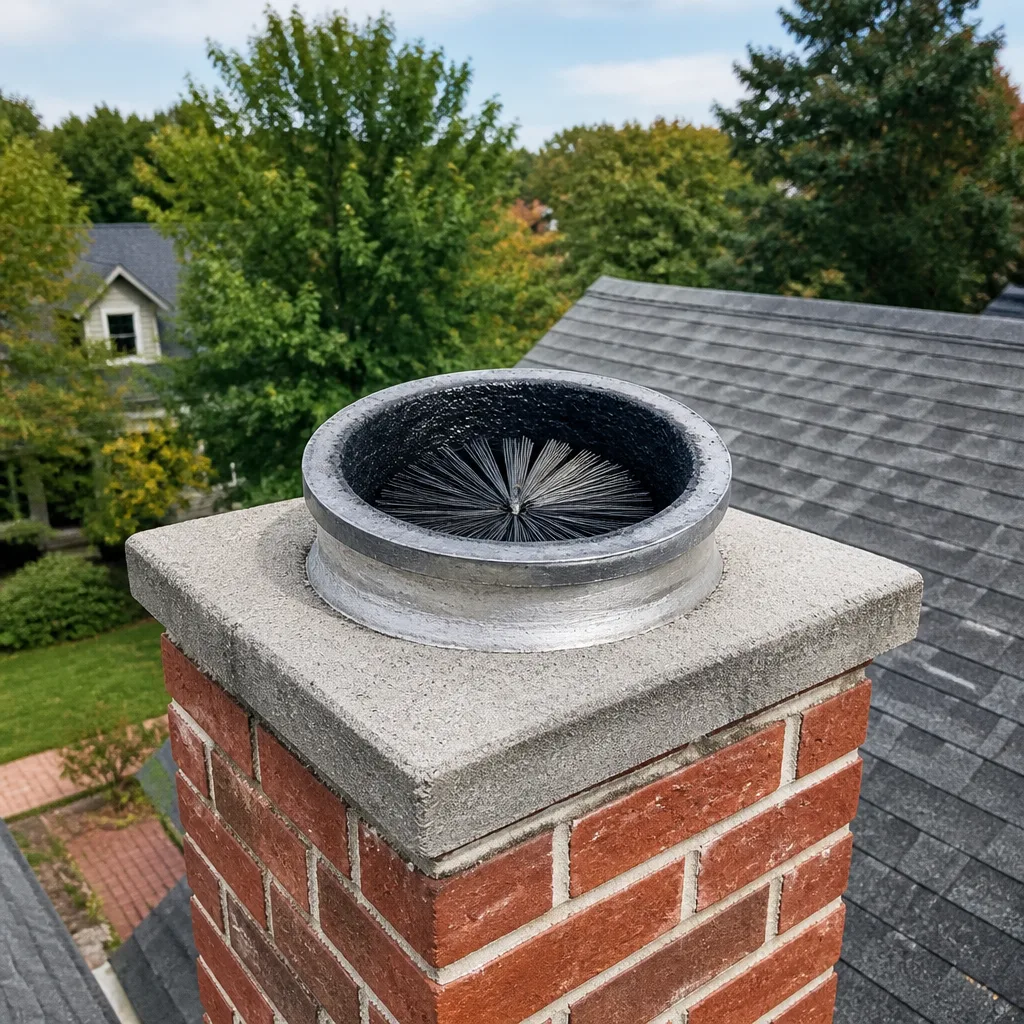 Sweep & inspection
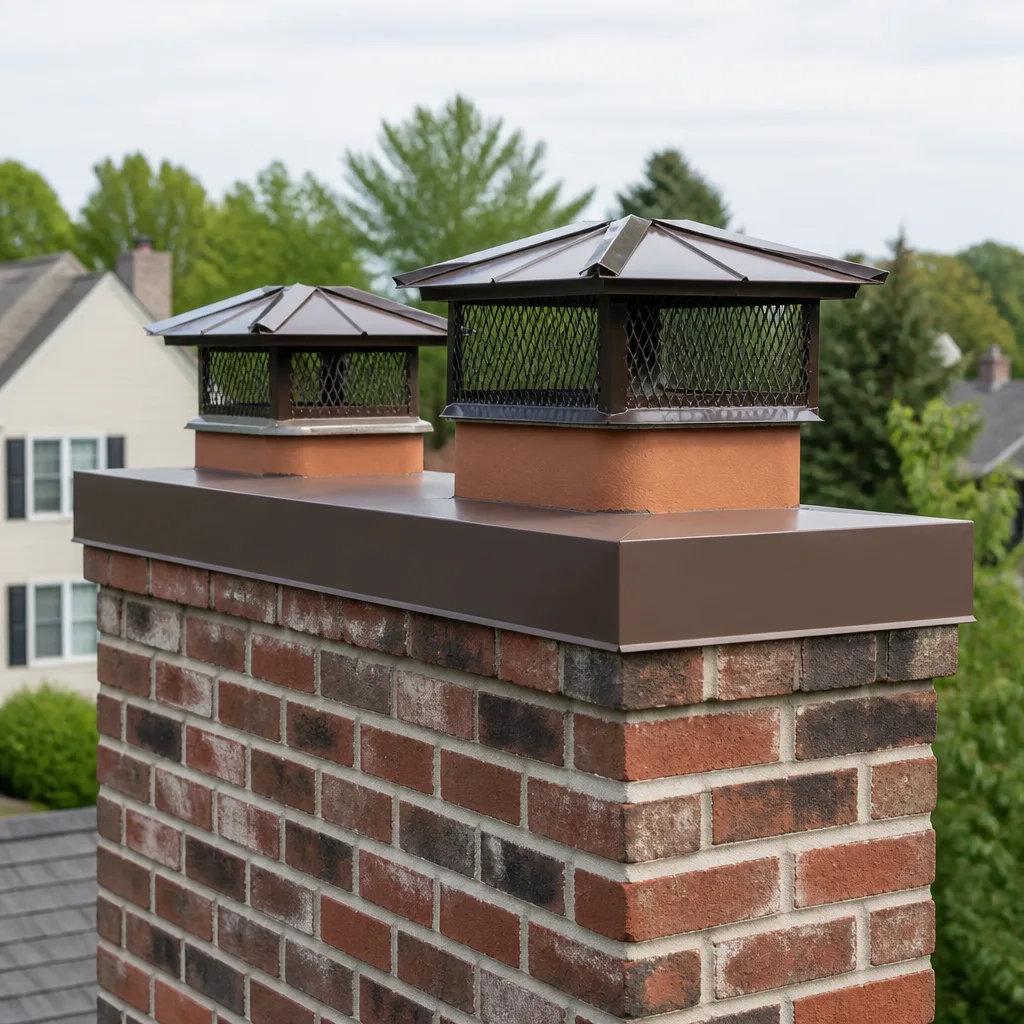 Caps & crowns
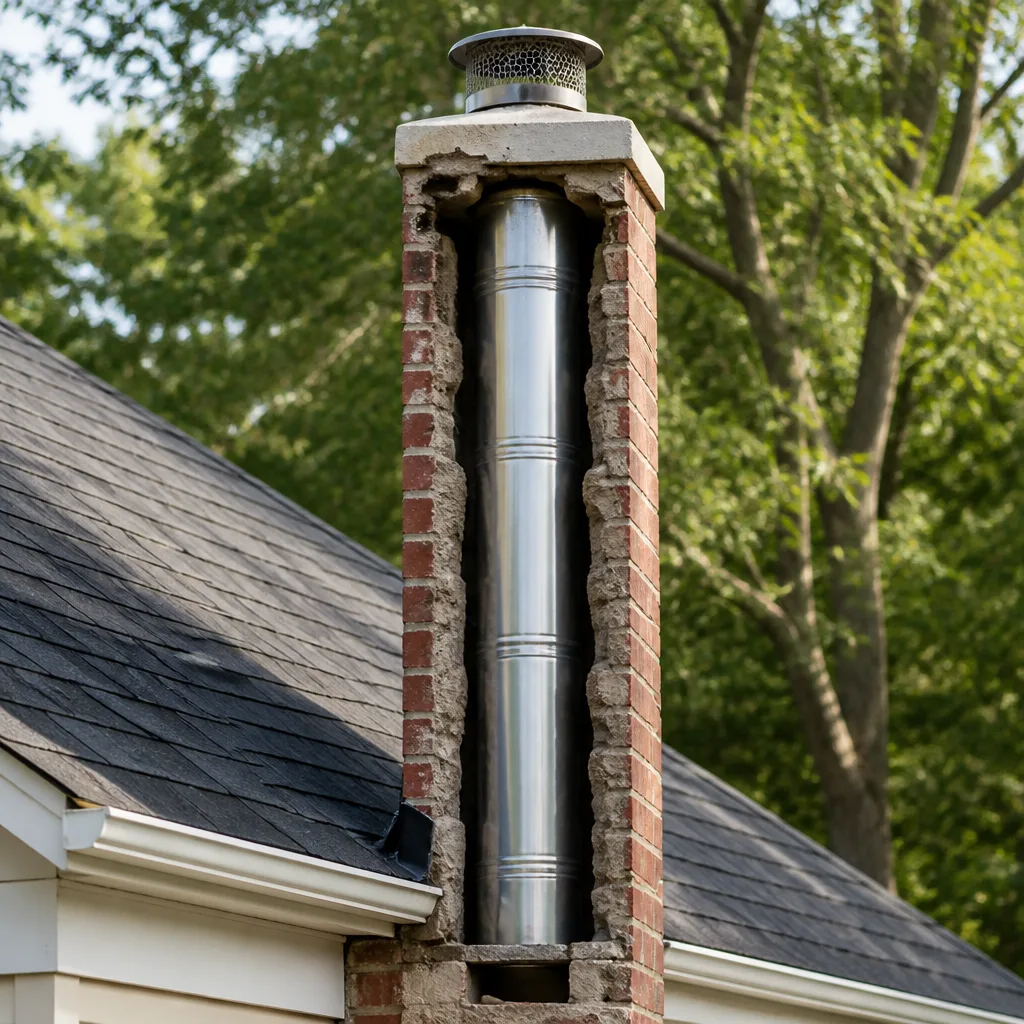 Flue relining
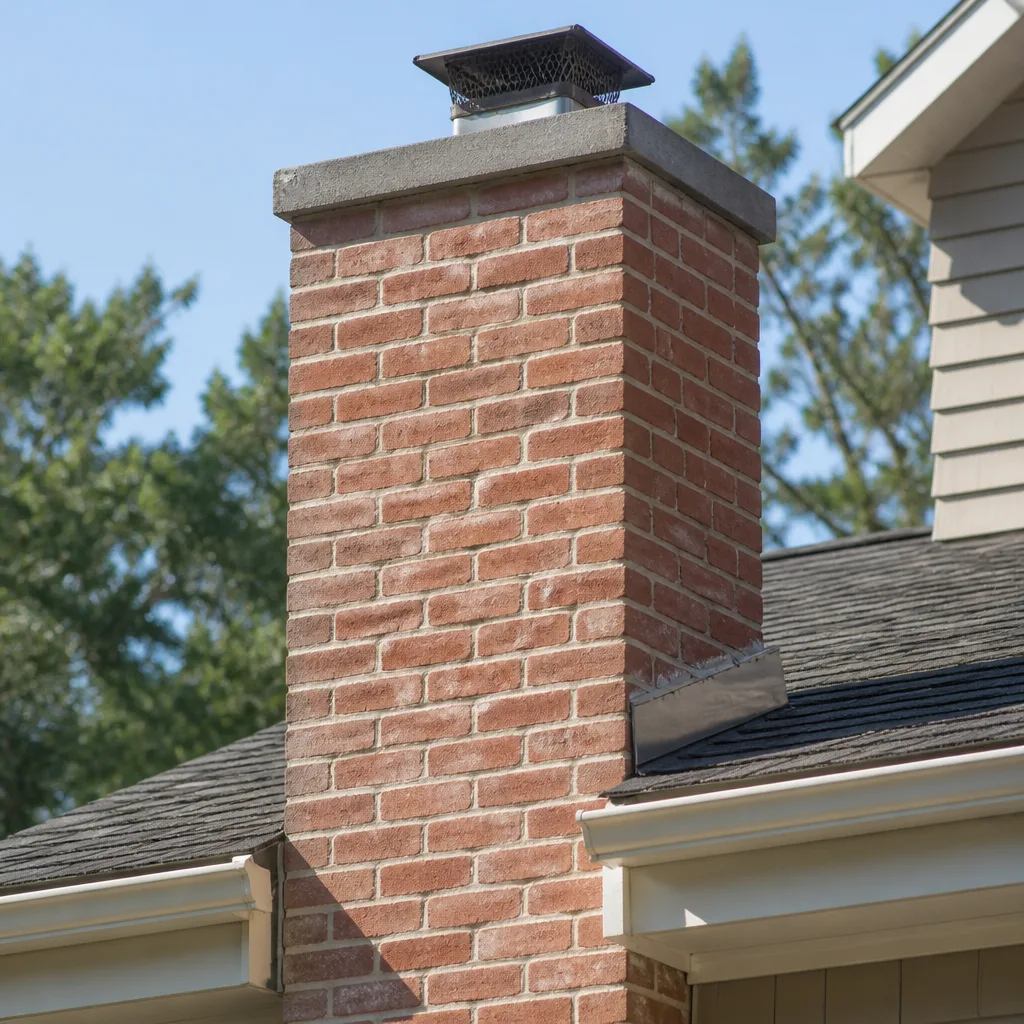 Masonry repair
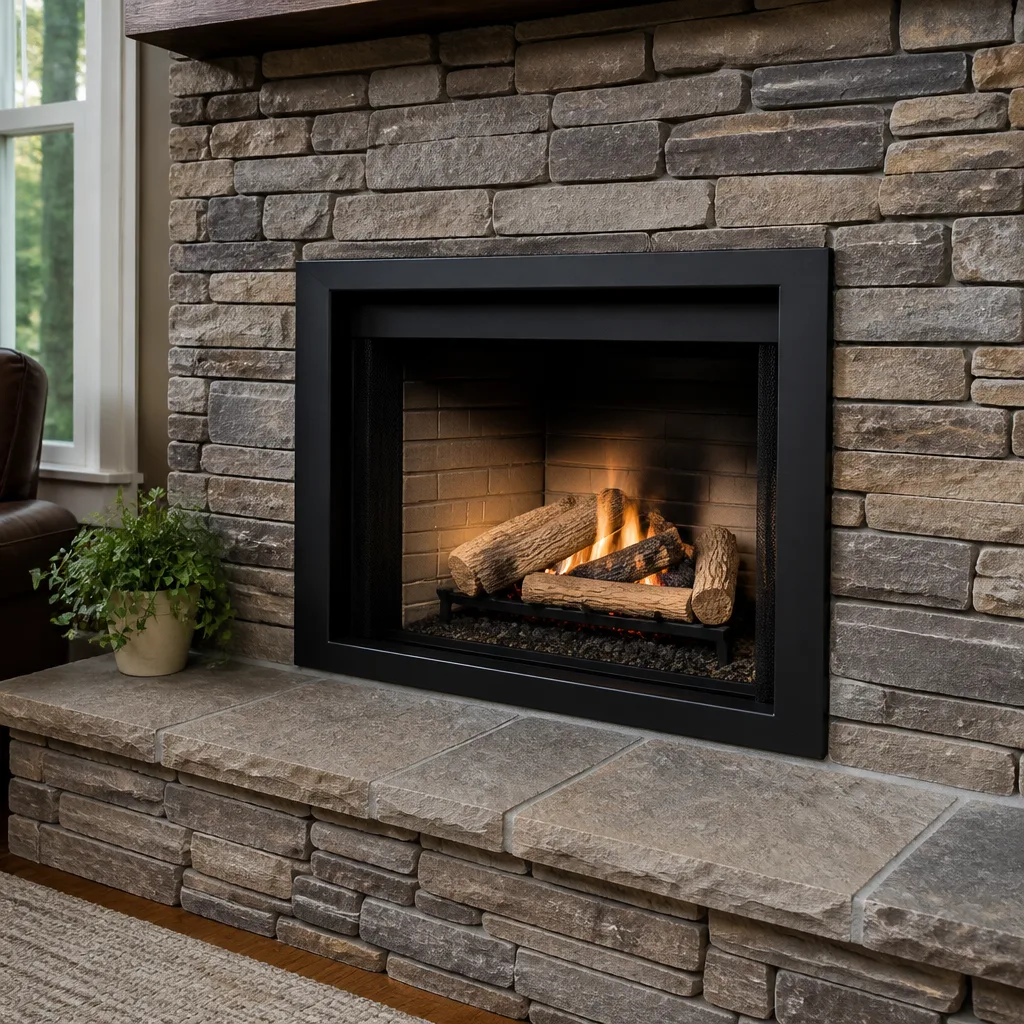 Gas fireplace service
Level 1 sweep and inspection to the NFPA 211 annual standard - flue, crown, cap, and flashing checked and photographed
Chimney sweep logs do not sweep chimneys. They loosen some creosote - which then falls where a brush and vacuum still have to collect it.
Chimney Cleaning Permits, Codes & Inspections in FL: What You Need to Know
Your chimney cleaning needs no permit, but the liner repair the sweep recommends right after might. And if that repair gets done without one, it becomes your problem when you sell the house. In Fort Lauderdale, where most homes have fireplaces that go unused ten months a year, this distinction catches homeowners off guard more than anywhere else in the state. This guide draws the line between maintenance and construction in plain terms so you know exactly when to ask about permits before work starts, what a real inspection report should include, and how unpermitted work shows up years later. For more on this topic, see The Complete Guide to Chimney Cleaning in Fort Lauderdale.
Styles & brands we work with
Quick Answer
Chimney cleaning and Level 1 inspections in Florida require no permit. But once work crosses into structural territory, like replacing a flue liner, rebuilding a firebox, or repairing chimney masonry, most Broward County jurisdictions require a building permit. To protect yourself, ask the contractor to confirm in writing whether the work needs a permit before they start.
Table of Contents
- Cleaning vs. Repair: Where the Permit Line Actually Sits
- Broward County Rules for Chimney Work
- NFPA 211: The Standard That Governs Florida Chimney Work
- What a Chimney Inspection Report Should Include
- How Unpermitted Work Shows Up on 4-Point Insurance Inspections
- How to Request Permit Documentation Before Work Starts
- Common Mistakes to Avoid
- When to Call a Professional
- Frequently Asked Questions
- The Bottom Line
Cleaning vs. Repair: Where the Permit Line Actually Sits
Here’s the rule in plain English: sweeping a chimney is maintenance. Rebuilding part of it is construction. Maintenance doesn’t need a permit in Florida. Construction usually does.
When we sweep a chimney in Fort Lauderdale, we’re removing creosote and soot from the flue interior. Nothing structural changes. The flue liner stays where it was. The bricks stay where they were. The cap gets a visual once-over. That’s a cleaning, and no municipality in Broward County requires a permit for it.
The line gets crossed when work alters or replaces building components. Here are the common examples we see in this market:
- Sweeping the flue: no permit, ever.
- Installing a chimney cap: no permit in most Broward cities, though a few HOAs have their own architectural rules.
- Replacing a damaged flue liner: permit required in most jurisdictions. This is a structural venting component. If you’re putting in a new DuraFlex stainless liner, the building department wants to know.
- Rebuilding a firebox: permit required. You’re reconstructing part of the fireplace assembly that contains fire.
- Tuckpointing or masonry repair beyond surface patching: permit required once you’re removing and replacing brick or block.
- Installing a new fireplace or stove where none existed: permit definitely required, plus clearance and venting review.
What trips people up is the sequence. They call for a chimney sweep, the sweep notices a cracked flue liner, and recommends replacement. The homeowner approves it. Six months later they’re selling the house, and the buyer’s inspector asks for the permit on that liner job. There isn’t one. Now the seller is negotiating a repair credit or scrambling to get a retroactive permit, which is more expensive than pulling one upfront.
Ask this question before any repair gets approved: “Does this work require a permit, and will you be pulling it?” A contractor who hesitates on that answer is telling you something.
Broward County Rules for Chimney Work
Florida’s building code is statewide, but enforcement happens at the local level. In Broward County, each municipality operates its own building department under the Florida Building Code, 8th Edition (2023). Fort Lauderdale handles its own permitting through the city’s Building Services Division. Other cities like Hollywood, Pompano Beach, and Davie run their own shops. The rules are similar, but application processes differ slightly.
Here’s what matters for chimney work in practice:
- Cleaning and Level 1 inspection: no permit anywhere in Broward County. This is considered routine maintenance under Florida Building Code Section 105.2, which exempts ordinary repairs and maintenance from permitting.
- Liner replacement: generally requires a permit since you’re altering the venting system governed by Chapter 9 of the FBC. Some cities will process this as a “scope of work” permit with a simple drawing and product spec sheet.
- Firebox rebuild or structural masonry repair: requires a permit and usually an inspection at one or two stages of the work.
- Chimney removal: requires a permit, particularly if it’s part of a larger roof or structural modification.
One nuance most homeowners don’t know: the threshold test is whether the work affects structural integrity or the venting pathway. A cosmetic patch to stucco around the firebox doesn’t require a permit. Cutting out and replacing firebrick does. If you’re unsure, the contractor should be able to quote you the specific code section that applies. We’ve found that Fort Lauderdale’s building staff are straightforward about this kind of question and would rather answer it before the work happens than deal with a discovery later.
NFPA 211: The Standard That Governs Florida Chimney Work
Here’s something most Florida homeowners never learn: there’s no state law that says your chimney must be swept on a schedule. What actually governs chimney work in Florida is NFPA 211, the National Fire Protection Association’s Standard for Chimneys, Fireplaces, Vents, and Solid Fuel-Burning Appliances.
NFPA 211 isn’t Florida law in the legislative sense. But it’s incorporated into the Florida Building Code by reference, which means it has the force of code where the FBC adopts it. Insurance carriers follow it. Fire marshals follow it. Courts reference it. And when a home inspector or a four-point inspector looks at your chimney, they’re applying NFPA 211 concepts whether they know it or not.
The practical parts to know:
- “Chimneys shall be inspected annually” is the core NFPA 211 recommendation. Not every municipality enforces this, but insurance carriers increasingly ask whether it’s been done.
- NFPA 211 defines the three inspection levels that nearly every chimney professional in Fort Lauderdale uses: Level 1 for routine access-no-change situations, Level 2 when a property transfers or when there’s been a chimney fire, and Level 3 when hidden damage is suspected.
- The standard sets the clearance-to-combustibles rules, the flue sizing tables, and the creosote removal thresholds that determine when a chimney is no longer safe to operate.
What this means for you: when you hire a chimney sweep, you’re hiring someone to apply NFPA 211 to your particular fireplace. A proper sweep in Fort Lauderdale includes a check for compliance with these standards, not just removing soot. The standard is also what a Firewise community coordinator or HOA might cite if they require proof of chimney maintenance.
One local reality worth mentioning: Fort Lauderdale’s salt air and humidity accelerate masonry deterioration. NFPA 211’s inspection intervals assume ordinary wear. In this climate, the moisture-driven breakdown of exterior chimney masonry and mortar crowns happens faster. So what the standard calls “an annual inspection” is genuinely necessary here, not just recommended.
What a Chimney Inspection Report Should Contain
Most chimney sweeps hand you a receipt that says “swept and inspected” with a date and a dollar amount. That is not an inspection report. If your insurance carrier or a real estate transaction needs real documentation, that receipt is nearly worthless.
A chimney inspection report that holds up to scrutiny should contain:
- The inspection level performed: Level 1, Level 2, or Level 3, per NFPA 211’s definitions. If it doesn’t say, assume Level 1.
- Flue condition notes: what the interior looks like, including any cracks, gaps, or spalling in the liner. The report should say what was seen, not just “checked.”
- Creosote or soot accumulation measurements: in inches or millimeters, with the NFPA 211 threshold noted. If you’re over 1/8 inch of glazed creosote, you should be told.
- Clearance to combustibles verification: the framing around the fireplace should be checked and documented.
- Damper operation: does it open and close fully, and does it seal correctly?
- Chase cover and chimney cap condition: in Fort Lauderdale’s rain-heavy summers, these matter more than in most of the country.
- Moisture observations: efflorescence, staining, or brick spalling that suggests water intrusion.
- Photos: any worthy report in 2026 includes them. If a sweep says your liner is cracked but can’t show you the photo, get a second opinion.
When we perform a Chimney Inspection in Fort Lauderdale, the report includes all of these elements. We also provide photo documentation for every finding, specifically so you never have to take our word for a repair recommendation. That matters when you’re standing in front of a skeptical insurance adjuster or a buyer’s agent.
How Unpermitted Work Shows Up on 4-Point Insurance Inspections
If you own a home in Fort Lauderdale that’s more than about 20 years old, you already know about the 4-point inspection. It’s the document your insurance carrier requires before they’ll write or renew a policy on an older home: roof, electrical, plumbing, HVAC. Chimney work often gets flagged in the notes because the inspector walks the fireplace area too.
Here’s the sequence we’ve seen play out dozens of times in this market:
A homeowner calls a chimney repair company for a liner replacement. The company says they don’t pull permits for that kind of work, or that it’s not necessary, or that “the county doesn’t really check.” The work gets done and everything looks fine. Two years later, the homeowner shops for a better insurance rate. The new carrier asks for a 4-point inspection. The inspector notices the newer stainless liner, asks for the permit, and there isn’t one. The application stalls. The homeowner either pivots back to their old carrier at a worse rate, or works through a process to bring the work into compliance, which typically costs more than pulling the permit would have in the first place.
Same story plays out at resale. A buyer’s home inspector sees a rebuilt firebox or a replaced liner. They ask the listing agent for the permit. No permit. The deal doesn’t necessarily die, but it usually costs the seller something: a repair credit, a price concession, a last-minute sprint to get the work permitted after the fact.
The lesson isn’t “avoid chimney repairs.” It’s “do them properly the first time.” When a contractor says a permit isn’t needed, ask them to confirm that in writing and to name the specific code section that supports their position. A legitimate company will do so. A company that hedges is one you should think twice about hiring. The same logic applies to Fireplace Repair in Fort Lauderdale: the verification should come before the work, not after the invoice.
How to Request Permit Documentation Before Work Starts
The time to ask about permits is before any tool touches your chimney. Here’s a simple process anyone can follow:
- Ask directly at the estimate visit: “Does this work require a permit in Fort Lauderdale, and will you be pulling it?” Listen for a clear yes or no, followed by a reason you can verify.
- If they say yes, get it in writing: the estimate or work order should state that permitting is included, with a line item for the permit fees.
- Verify the permit number: once issued, Fort Lauderdale’s permitting portal lets you look up the address and confirm the permit exists. If the contractor can’t provide a permit number before work starts, the work shouldn’t start.
- Ask who schedules the inspections: for structural work like a firebox rebuild, the municipality typically needs to inspect at one or more stages. The contractor should handle this and should be able to tell you which stages will be inspected.
- Keep the final sign-off: after the work passes final inspection, you should receive documentation. File it with your home records. You’ll want it at insurance renewal and at resale.
If a contractor pushes back, pay attention. The pushback usually sounds like: “We don’t pull permits for that,” or “It’s faster and cheaper this way,” or “You’ll pay more if we have to pull it.” In our experience in Fort Lauderdale, legitimate chimney companies pull permits when the work requires them. It’s part of the job, not an extra burden. A written price before work starts should include permit fees where they apply. That’s how Ashby Chimney Fort Lauderdale home operates, and it’s how any reputable contractor in this city should operate too.
Common Mistakes to Avoid
- Assuming cleaning covers everything. A chimney sweep is maintenance, not an inspection. If you need documentation for insurance or resale, specify that you need an inspection report, not a cleaning receipt.
- Letting a repair happen without checking permit status. The most expensive permit is the one you pay for retroactively. Ask the question before the work.
- Skipping the annual inspection because “we never use the fireplace.” In Fort Lauderdale, unused chimneys get damp, and damp chimneys deteriorate. Nesting birds, moisture intrusion, and cracked crowns happen whether you burn or not.
- Accepting a verbal report. If the sweep says your liner is cracked, ask for the photo. If the sweep says you need HeatShield resurfacing, ask for the written scope of work with a flat price. Verbal opinions don’t help you at resale.
- Waiting until the week you want to burn. Chimney companies book out in the fall. In Fort Lauderdale, where the burning season is short and owners often forget about their fireplace until around Thanksgiving, the early-October rush is real. Schedule in spring and you’ll have your pick of dates.
- Not asking if the company is insured and bonded. Anyone can call themselves a chimney sweep in Florida. Insurance protects you when a worker damages your roof or a repair fails. Ask for proof before work starts.
- Assuming the HOA has no say. Many Fort Lauderdale condo and HOA communities have rules about chimney cap styles, wood-burning restrictions, and exterior modifications. Check your HOA docs before installing anything on the roof.
When to Call a Professional
Call a chimney professional when you see spalling brick, flaking mortar, or white staining on the chimney exterior, particularly on the south-facing side which takes the most sun and rain in Fort Lauderdale. Call after any chimney fire, no matter how small it seemed. Call before you buy or sell a house with a fireplace, since a Level 2 inspection is the only way to catch a hidden liner crack. Call if you smell smoke or dampness in the room after it rains. And call if you simply haven’t had the chimney looked at in years, even if you rarely use it. Ashby Chimney Fort Lauderdale offers free estimates in Fort Lauderdale. We’re a Chimney Sweep in Fort Lauderdale that puts prices in writing before work begins. Reach us at (754) 354-1451 and a live person answers, day or night.
Frequently Asked Questions
No. Chimney cleaning is classified as routine maintenance under the Florida Building Code and does not require a permit anywhere in Broward County. What requires a permit is structural repair work like liner replacement or firebox rebuilding, so ask your contractor to clarify the scope before work begins. Call (754) 354-1451 for a free estimate and we’ll confirm permit requirements in writing.
Most chimney sweeps in Fort Lauderdale run between $185 and $350 for a standard cleaning, with inspection reports and creosote treatments adding to the total depending on what the flue needs. The range is wider when a home hasn’t been serviced in years or when animals have nested in the flue. Call (754) 354-1451 for an exact quote; estimates are free and the price you get is the price you pay.
NFPA 211 recommends annual inspection and sweeping as needed, and in Fort Lauderdale that annual check matters even for fireplaces that rarely get used because humidity and salt air accelerate masonry deterioration. A once-a-year visit catches minor issues like a cracked chase cover before they become liner replacements. If you burn more than a cord of wood per season, you may need a second sweep mid-season.
Not necessarily, and you shouldn’t approve the work without evidence. A legitimate inspection report includes photos, measurements, and a specific explanation of the damage and why the liner won’t function safely. If the company can’t show you the crack or gap, get a second opinion from someone who will. We use products like DuraFlex, HeatShield, and Gelco based on the actual condition we document, not on a generic recommendation.
In a South Florida fireplace that hasn’t been inspected in years, you’re rolling the dice on a cracked flue liner or a bird nest blocking the vent, and both mean smoke, carbon monoxide, or fire gets into the house instead of out through the chimney. In this climate, you’re also risking damp masonry failure that gets more expensive every year it’s ignored. The safest answer is a Level 2 inspection if it’s been more than a couple of years. Call (754) 354-1451 and we’ll schedule it at your convenience.
Carriers in the South Florida market are aggressive about documentation, and an unpermitted liner replacement or firebox rebuild discovered during a 4-point inspection can stall renewal or push you into a more expensive policy. The work may function perfectly, but if the paper trail isn’t there, the carrier treats it like an unknown. Do the work with the proper permit the first time and you never have to find out.
The Bottom Line
Chimney cleaning in Florida needs no permit. Chimney repair often does. The difference is structural, and the time to clarify it is before work begins, not after. In Fort Lauderdale, where salt air and humidity age chimneys faster than the national average, the annual inspection is genuinely necessary, and the inspection report should be detailed enough to satisfy an insurance carrier or a buyer’s agent. When a repair is recommended, ask to see the photo documentation, ask whether a permit is required, and get both the scope and the price in writing. Do that, and the chimney will never surprise you at resale. Skip it, and it might.
Written by Nathan Corliss, Owner at Ashby Chimney Fort Lauderdale, serving Fort Lauderdale since 2002.
See the difference
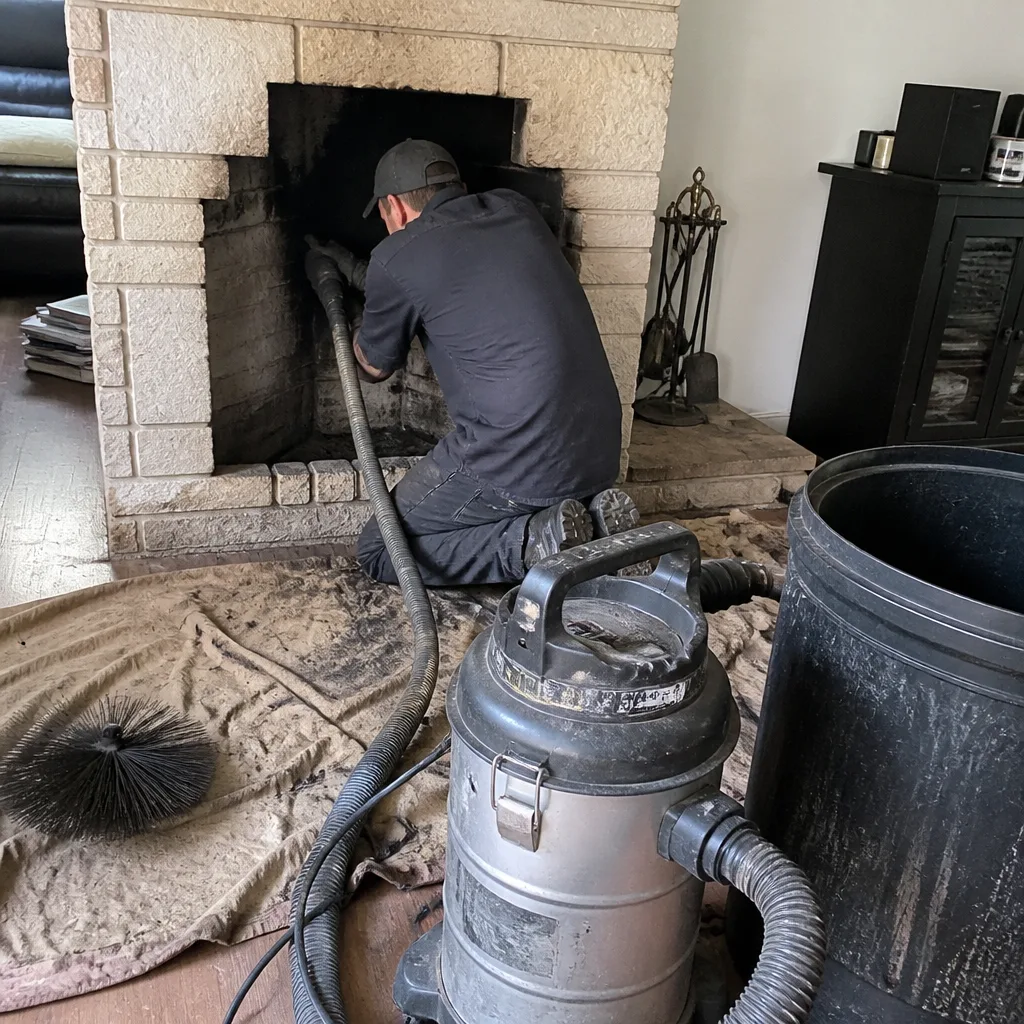 Before
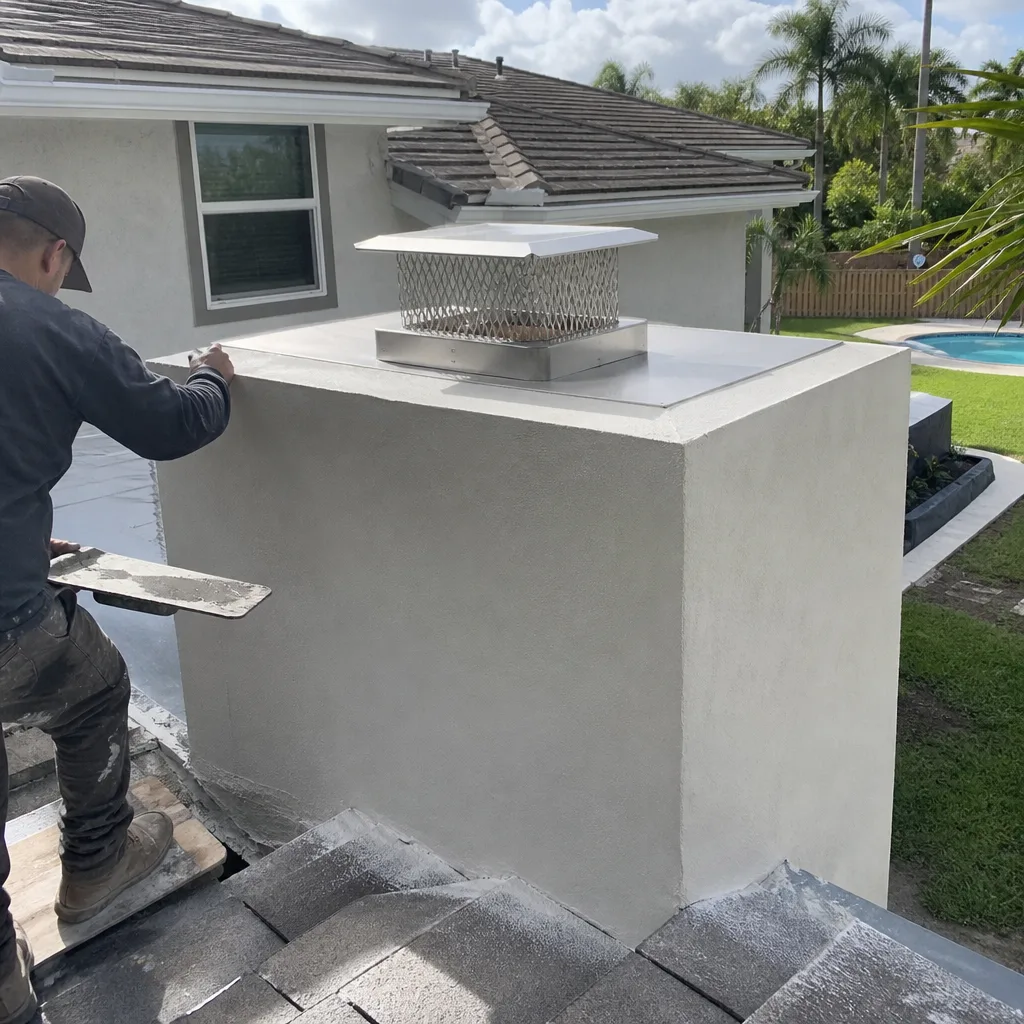 After
After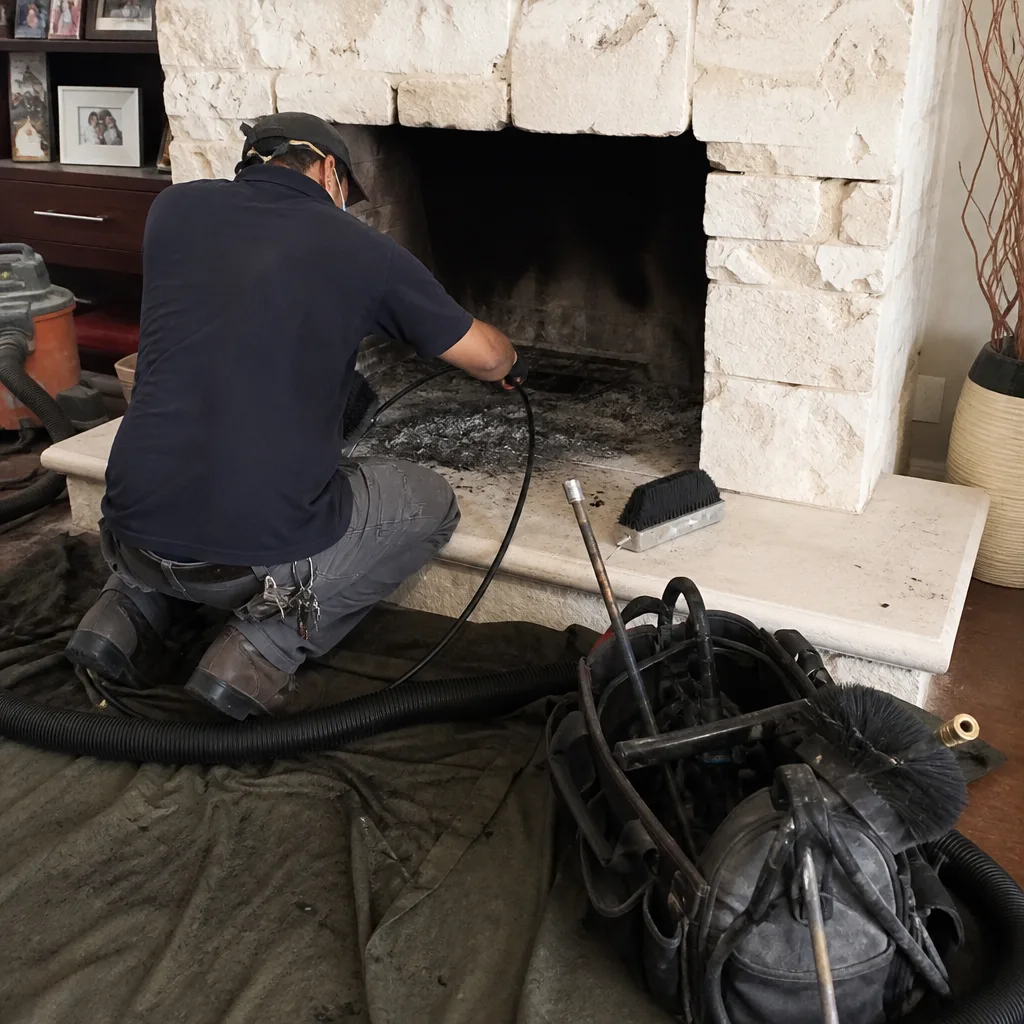 Before
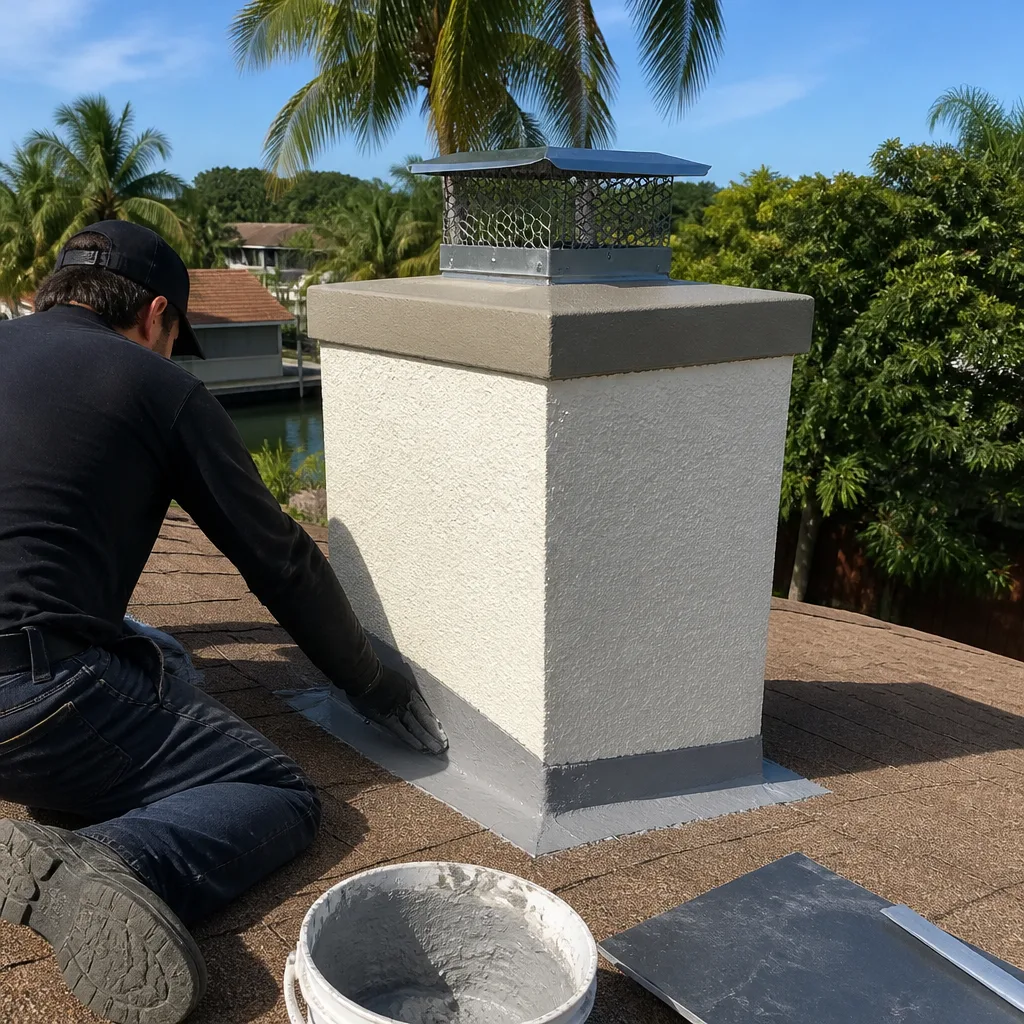 After
After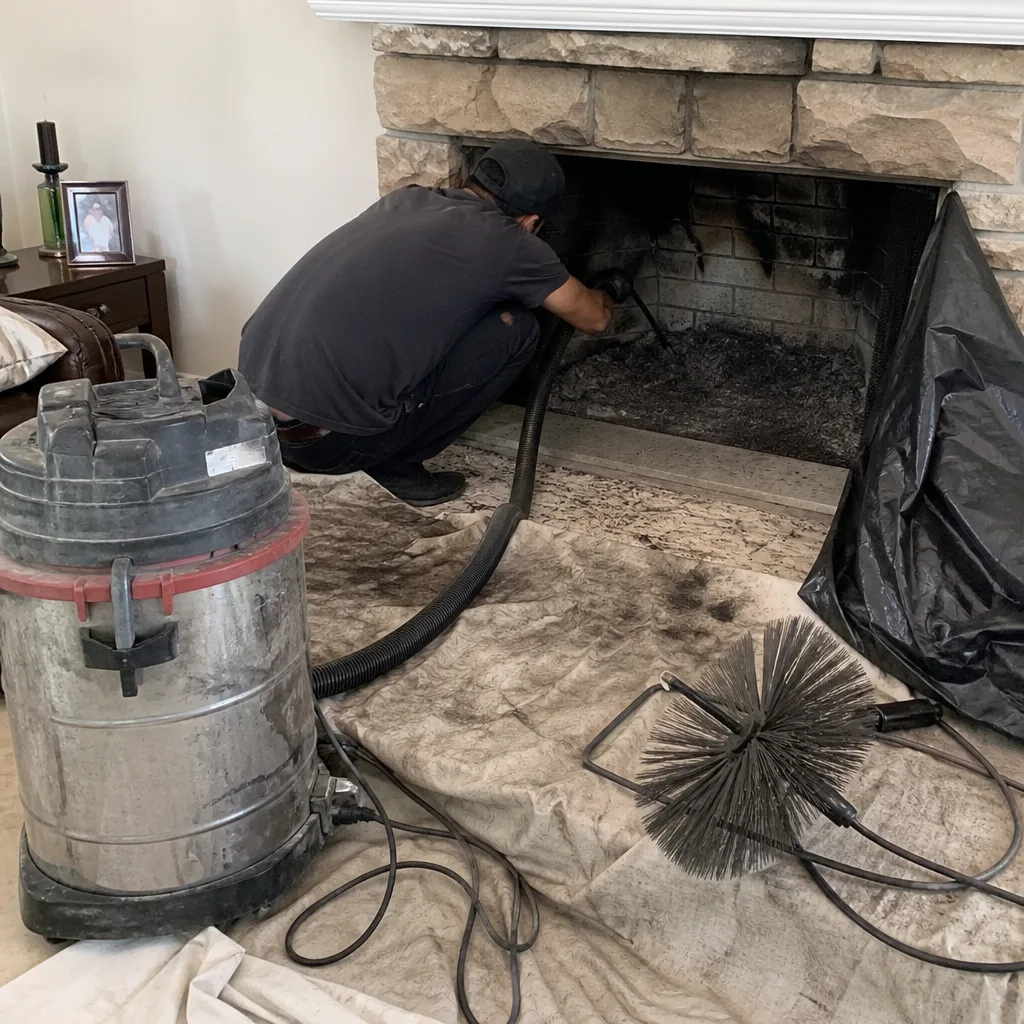 Before
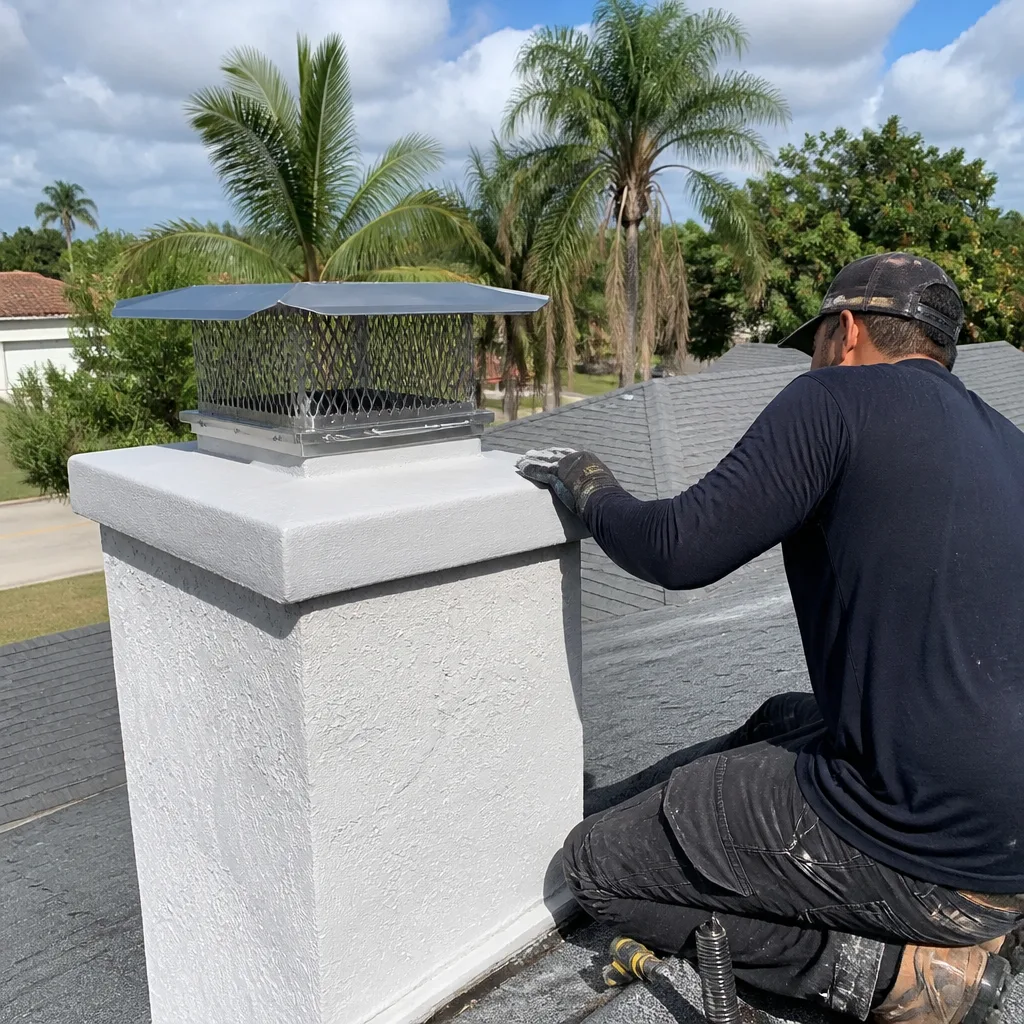 After
After